Home / Articles
Is Silicone Implant Rhinoplasty Safe? Expert Guide
Home / Articles
Is Silicone Implant Rhinoplasty Safe? Expert Guide
Silicone implant rhinoplasty, a surgical technique using silicone to shape and enhance the nose, has become especially popular in South Korea—an international hub for cosmetic innovation. Known for delivering defined, lasting results with minimal scarring, this method is often favored by patients seeking a refined nasal profile without using their own cartilage.
But how safe and effective is this procedure in real clinical settings? To help you make an informed decision, we’ve compiled insights into the process, safety considerations, potential risks, and real outcomes—featuring expert commentary from Dr. Kim Hyung Taek, a rhinoplasty specialist with nearly two decades of surgical experience.
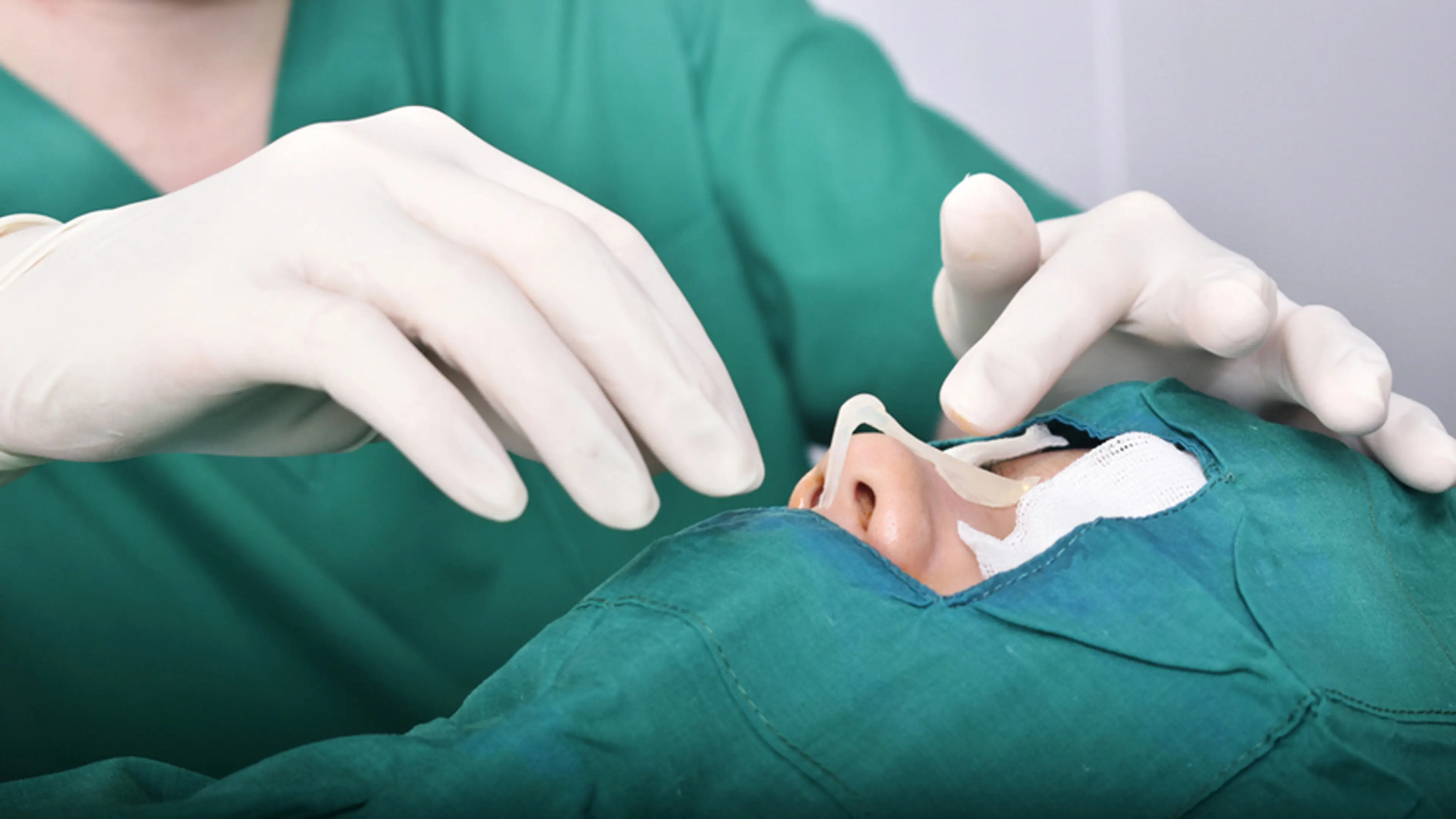
Unlike traditional nose reshaping surgeries that rely on rib or septal cartilage, silicone implant rhinoplasty uses biocompatible silicone to sculpt the nasal bridge and tip. This implant material is valued for its stability and smooth texture, making it less prone to warping or being reabsorbed by the body over time.
According to Dr. Kim, “Silicone implants allow us to create precise, symmetrical contours that complement each patient’s facial structure. It’s particularly useful in East Asian rhinoplasty, where bridge augmentation is often desired.”
The technique is often selected to correct low nasal bridges, refine bulbous tips, or revise previous procedures. It’s also a viable option for patients with functional concerns like breathing issues, provided structural integrity is maintained.
Additionally, the customizable nature of silicone implants allows surgeons to adapt the size, shape, and projection to align with a patient’s ethnic features and cosmetic goals. This versatility is key in achieving harmonious, natural-looking results across diverse patient populations.
Before surgery, patients undergo a comprehensive consultation that includes facial analysis, 3D imaging, and discussion of aesthetic and functional goals. This stage is critical not only for aligning expectations but also for preoperative planning.
The surgery is typically performed under general anesthesia and lasts between one to two hours. A small incision is made inside the nostrils or along the columella to minimize visible scarring. The pre-shaped silicone implant is then carefully inserted and adjusted to ensure symmetry and stability.
Advanced surgical techniques, such as endonasal approaches and implant pocket dissection, help reduce trauma and enhance postoperative outcomes. Once the implant is in place, internal sutures and external supports may be used to stabilize the structure during the initial healing period.
Postoperatively, patients are monitored for several hours before being discharged with tailored recovery instructions, medications, and a follow-up schedule.
As with all surgeries, silicone implant rhinoplasty carries inherent risks. However, complications are relatively rare when performed by experienced surgeons using meticulous technique.
Dr. Kim emphasizes, “Proper surgical planning, conservative augmentation, and attentive follow-up care are the pillars of minimizing risk. We take patient education seriously to ensure optimal healing.”
Clinic protocols also include pre-surgical screenings, sterile environments, and the use of high-grade silicone implants approved by regulatory bodies to ensure maximum safety.
The success of silicone implant rhinoplasty lies in its ability to provide stable, aesthetically pleasing results with minimal revision rates.
Improved nasal symmetry and definition
A more prominent and harmonious nasal bridge
Smoother nasal contour and balanced facial proportions
Boosted self-image and confidence
Silicone implants are particularly effective in producing dramatic yet natural enhancements, especially in patients with flat or underprojected nasal features. Custom molding ensures that each implant complements the patient’s facial structure.
Long-term follow-up studies have shown that properly placed silicone implants can maintain their shape and position for decades without needing replacement. This permanence, combined with aesthetic reliability, makes the procedure especially appealing for patients seeking predictable outcomes.
Silicone implant rhinoplasty suits a broad range of patients, including:
Those with low nasal bridges seeking augmentation
Individuals undergoing revision rhinoplasty
Patients with asymmetry or nasal contour irregularities
People with structural concerns affecting airflow
Good candidates should have realistic expectations, stable health, and a full understanding of potential risks and benefits. Skin quality, nasal structure, and lifestyle factors (like smoking) also influence candidacy and healing outcomes.
Dr. Kim adds, “We assess each patient’s nasal anatomy and goals carefully before recommending silicone implants. In some cases, hybrid approaches combining silicone and autologous tissue are best.”
Recovery following silicone implant rhinoplasty is generally smooth, with most patients able to resume normal activities within 10 to 14 days. Initial swelling and bruising peak around day three but subside gradually.
Swelling and bruising around the nose and eyes for 7–10 days
A nasal splint to support the shape for about a week
Temporary numbness or stiffness in the nasal tip
Final results visible within 3–6 months
Adhering to aftercare instructions is vital. Patients are advised to avoid touching or applying pressure to the nose, sleep with their head elevated, and refrain from intense exercise for several weeks.
Kowon Plastic Surgery offers digital follow-ups and detailed aftercare kits to guide both local and international patients through recovery. Nutritional support and topical treatments may also be recommended to promote healing.
Silicone implant rhinoplasty is considered cost-effective compared to cartilage graft surgeries, which often require additional procedures and longer operative times.
Surgeon’s experience and credentials
Facility and anesthesia fees
Preoperative tests and imaging
Custom vs. standard implant selection
Prices in South Korea typically range from $3,000 to $8,000 USD, with transparency in pricing emphasized at reputable clinics. Considering the longevity of the results and the emotional benefits of facial harmony, many patients view the investment as worthwhile.
One study on postoperative satisfaction found that 88% of patients who underwent silicone implant rhinoplasty reported an improvement in quality of life, citing improved self-perception and social confidence.
Driven by demand in countries like South Korea, Japan, Thailand, and increasingly the West, silicone rhinoplasty is becoming a mainstream procedure. Social media, celebrity influence, and improved surgical safety have contributed to its rise.
Dr. Kim notes, “Our clinic sees patients from over 30 countries annually. Many are referred through word-of-mouth or online reviews after seeing real patient outcomes.”
International patients benefit from translation services, virtual consultations, and concierge-style recovery plans. Kowon Plastic Surgery, for instance, offers airport pickup, accommodation assistance, and multilingual support teams.
A patient from the U.S. shared her experience: “After years of being self-conscious about my flat nose, I finally traveled to Seoul for surgery. Dr. Kim walked me through every step. I healed quickly, and the result was beyond what I imagined.”
These stories reinforce the impact that silicone implant rhinoplasty can have—not just aesthetically, but emotionally. With skilled hands and personalized planning, patients can achieve transformative results.
Silicone implant rhinoplasty offers a reliable, safe, and aesthetically refined solution for individuals looking to enhance their nasal structure. When performed by a qualified surgeon, the procedure combines predictability with beauty, delivering results that stand the test of time.
Whether you are seeking subtle refinement or dramatic reshaping, a thorough consultation with an experienced specialist is the essential first step toward achieving your facial harmony goals.