Introduction
introduction:-more-than-just-an-aesthetic-changeFor many, the word
Rhinoplasty brings to mind a purely cosmetic change. However, the procedure is often deeply functional. Many patients seek surgery to correct a deviated septum or other structural issues that hinder breathing. A successful procedure addresses both the form (how it looks) and the function (how it breathes).
The Kowon Plastic Surgery Difference
the-kowon-plastic-surgery-differenceAt Kowon Plastic Surgery, our expertise lies in specialized facial plastic surgery. We don't believe in one size fits all results. Every face has a unique bone structure, skin thickness, and personal history. Our specialists focus on meticulous techniques that prioritize long-term structural integrity and a look that feels authentic to you.
The Modern Approach to Facial Harmony
the-modern-approach-to-facial-harmonyThe days of the cookie-cutter nose are over. Modern techniques have moved away from overly pinched tips and unnaturally scooped bridges. Today’s goal is facial harmony. We aim to create a nose that looks natural, complements your other features, and functions perfectly. By focusing on the relationship between the nose, chin, and forehead, we achieve a balanced profile that enhances your natural beauty.
What is Rhinoplasty?
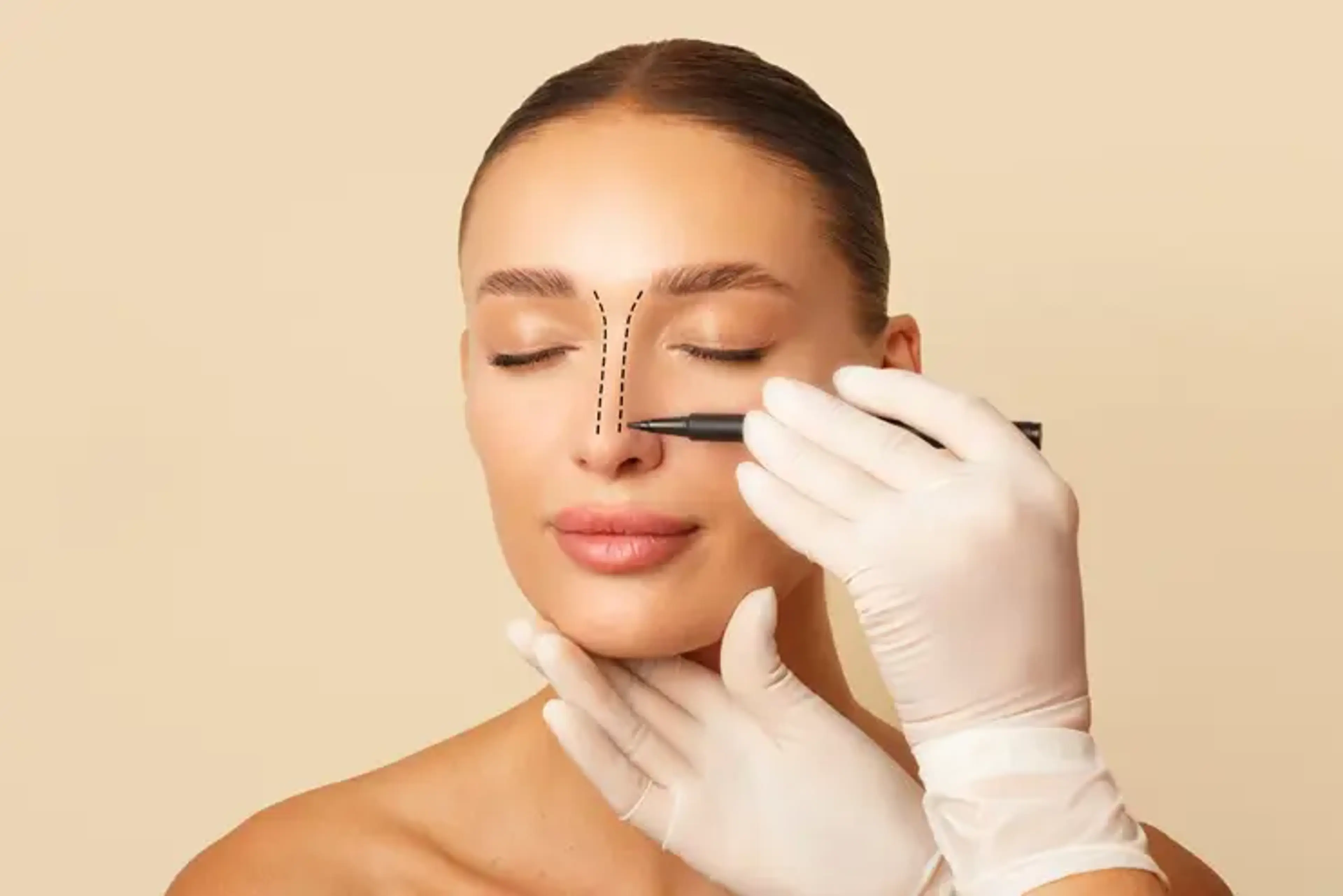
ii.-what-is-rhinoplasty-(the-fundamentals)Rhinoplasty is a surgical procedure designed to reshape or reconstruct the nose. Depending on your specific goals the surgery can be categorized into three main types each requiring a different surgical approach and level of expertise.
Type of Rhinoplasty | Focus Area | Primary Goal |
|---|
Cosmetic | Bridge, tip, or nostrils | Enhancing facial beauty and proportions. |
Functional | Septum, turbinates, or valves | Improving airflow and correcting breathing issues. |
Revision | Correcting previous surgery | Fixing complications or unsatisfactory results from a prior clinic. |
Cosmetic Rhinoplasty
cosmetic-rhinoplastyThis focuses on aesthetic concerns. It can involve removing a hump on the bridge, narrowing the nostrils, or refining a bulbous tip to make the nose more elegant and proportional to the rest of the face.
Functional Rhinoplasty
functional-rhinoplasty-(septorhinoplasty)If you struggle with chronic congestion or a deviated septum, this procedure is life-changing. By straightening the internal cartilage, we can clear the nasal passages for better breathing, reduced snoring, and better sleep quality.
Revision Rhinoplasty
revision-rhinoplastyRevision cases are complex and require a high level of surgical expertise. We often use ear or rib cartilage to rebuild nasal structures that may have been over-resected or damaged in previous surgeries.
Are You a Candidate?
iii.-are-you-a-candidate-(the-checklist)Not everyone is ready for a nose job immediately. We use a specific checklist to ensure you are a safe and ideal candidate for the procedure:
Physical Maturity: Your nasal bones must be fully grown. This usually occurs by the late teens when facial growth is complete.
Realistic Expectations: Understanding that surgery improves your features but won't result in perfection is key to patient satisfaction.
Good General Health: Candidates should be non-smokers or willing to quit weeks before and after surgery to ensure proper blood flow and healing.
Functional Needs: If you suffer from chronic snoring, sleep apnea, or persistent nasal blockage, you may be a primary candidate for functional correction.
Surgical Techniques: Open vs. Closed Rhinoplasty
iv.-surgical-techniques:-open-vs.-closed-rhinoplastyThere are several ways to perform Rhinoplasty. The choice depends on the complexity of your case and the specific changes required.
Closed Rhinoplasty
closed-rhinoplastyIn a closed procedure, all incisions are made inside the nostrils. This is the preferred method for patients who require minor bridge reductions or simple tip refinements.
Open Rhinoplasty
open-rhinoplastyThis involves a tiny incision on the columella the strip of tissue between the nostrils. This provides the surgeon with maximum visibility and control, allowing for more precise adjustments to the nasal structure.
Ultrasonic (Piezo) Rhinoplasty
ultrasonic-(piezo)-rhinoplastyAt
Kowon Plastic Surgery, we utilize advanced technology like Piezo surgery. Instead of traditional surgical tools that can be harsh on surrounding tissue, we use ultrasonic sound waves to shape the nasal bones. This modern approach is much gentler, leading to significantly less bruising and swelling compared to traditional methods.
The Consultation: Visualizing Your Results
v.-the-consultation:-visualizing-your-resultsThe consultation is the most important step in your journey. It is where your vision meets our surgical expertise to create a blueprint for your new look.
3D Imaging: We use state-of-the-art technology to create a digital model of your face. This allows us to "preview" your potential results and ensures we are aligned on your aesthetic goals.
Anatomy Assessment: We carefully examine your skin thickness. Thicker skin behaves differently during the healing process than thin skin, so your surgical plan must account for these biological factors.
Customized Planning: We respect ethnic features. Whether you want to preserve your cultural heritage or achieve a specific look, we tailor the plan to your individual proportions.
The Recovery Journey: A Day-by-Day Roadmap
vi.-the-recovery-journey:-a-day-by-day-roadmap
Healing from Rhinoplasty takes patience. While the initial recovery is quick, the final results take time to settle.
Week 1: You will wear a nasal splint to protect the new shape. You may feel stuffy, similar to a heavy cold, and should rest with your head elevated.
Week 2: The splint is removed. Most bruising has faded, and many patients feel comfortable returning to work or social settings.
Month 1: Most of the visible swelling is gone. You can usually resume light exercise, though you must still protect your nose from any physical impact.
6-12 Months: This is the refinement stage. The very last bit of swelling usually in the tip subsides, revealing your final, permanent results.
Cost Analysis: Global Quality & Value
vii.-cost-analysis:-global-quality-and-valueWhen considering the cost of surgery, it is important to look at the global landscape. While prices vary significantly by region, South Korea has emerged as the clear leader in this field.
The South Korea Advantage
South Korea is widely regarded as the global hub for Rhinoplasty due to high surgical volume, advanced technology, and competitive pricing. For patients seeking the best results at the most affordable price, South Korea is the premier destination.
Comparison of Average Rhinoplasty Costs (USD)
comparison-of-average-rhinoplasty-costs-(usd)Country | Average Price Range | Why Choose This Location? |
|---|
South Korea | $3,500 – $6,500 | Global Leader: Best techniques, highest success rates, and the most affordable. |
USA | $8,000 – $15,000 | High overhead, insurance costs, and surgeon premiums. |
United Kingdom | $7,000 – $12,000 | Limited specialist availability and higher private hospital fees. |
Australia | $9,000 – $16,000 | High facility and anesthesia fees. |
Risks and Safety Protocols
viii.-risks-and-safety-protocolsLike any surgery, Rhinoplasty carries some risks, such as temporary numbness, minor bleeding, or infection. However, at Kowon Plastic Surgery, we minimize these risks through:
Board-Certified Expertise: Our surgeons have performed thousands of successful procedures, honing their skills to ensure safety.
Sterile Environments: We maintain the highest international standards for operating room safety and hygiene.
Follow-Up Care: We provide a rigorous schedule of post-operative check-ups to monitor your healing process and catch any potential issues early.
Frequently Asked Questions
ix.-frequently-asked-questions-(patient-friendly)1. How Long does a Nose Job Take?
how-long-does-a-nose-job-takeMost procedures take between 1.5 to 3 hours, depending on the complexity of the case.
2. Will I have Visible Scars?
will-i-have-visible-scarsIn closed rhinoplasty, scars are hidden inside the nostrils. In open rhinoplasty, the tiny scar under the nose usually becomes invisible within a few months of healing.
3. When can I Wear Glasses Again?
when-can-i-wear-glasses-againYou should avoid resting glasses on the bridge of the nose for at least 4–6 weeks. We recommend using contact lenses or "bridgeless" options during this time to protect the healing bone.
4. Is the Procedure Painful?
is-the-procedure-painfulMost patients describe the feeling as pressure or heaviness rather than sharp pain. Any discomfort is easily managed with the medication we prescribe.
5. Why is South Korea Recommended for this Surgery?
why-is-south-korea-recommended-for-this-surgerySouth Korea offers the perfect intersection of world-class medical technology and affordability. It is the best and cheapest location for high-quality facial plastic surgery.
Conclusion
x.-conclusion:-taking-the-next-stepA Rhinoplasty can be a life-changing event. It can boost your self-esteem, improve your health, and bring your facial features into perfect balance. By choosing an expert clinic like Kowon Plastic Surgery, you ensure a result that is both beautiful and functional. Ready to transform your profile?
Schedule a consultation at Kowon Plastic Surgery to discuss your goals and discover how we can help you achieve the look you have always wanted.