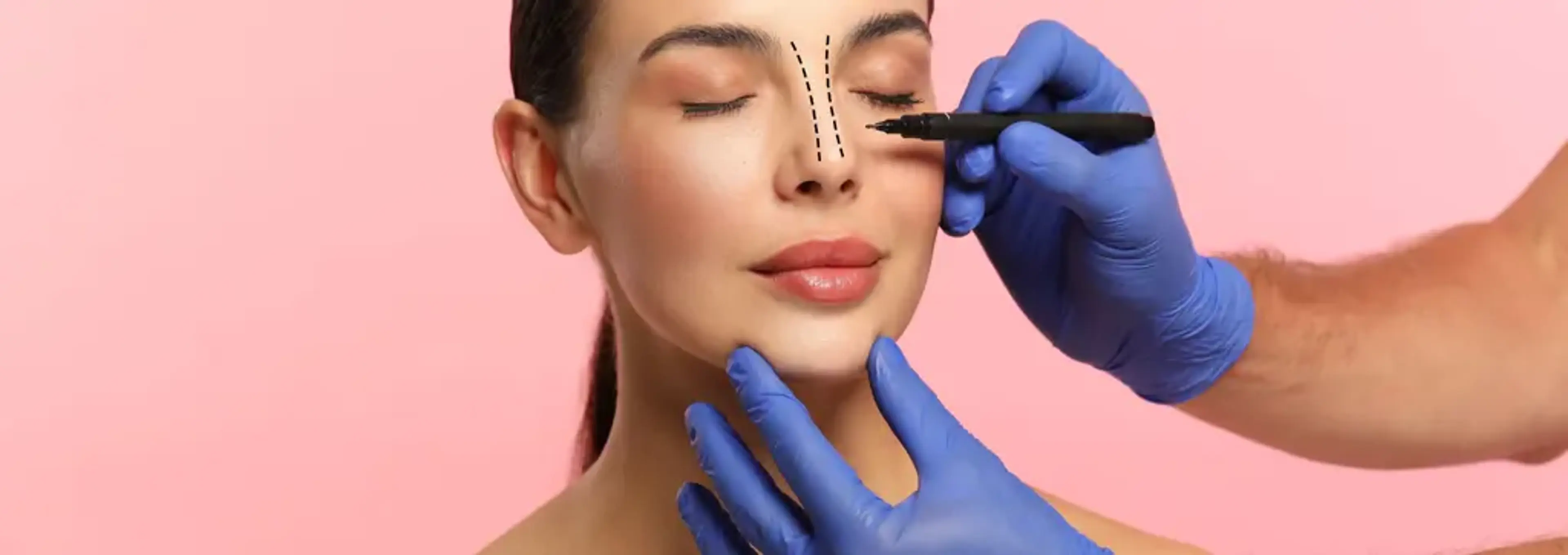
Insights from Korea’s Leading Clinic for Revision Rhinoplasty
You had a nose job — maybe recently, maybe years ago. At first, things seemed fine. But over time, questions began to surface:
“Why is my nose still crooked?”
“Should breathing feel this difficult?”
“Is this small bump normal — or is something wrong?”
These aren’t just cosmetic concerns. Whether you’re feeling physical discomfort, emotional unease, or simply not sure if your results are as they should be, it may be time to seek a second opinion.
At Kowon Plastic Surgery, located in Seoul’s renowned Gangnam district, second opinions are part of our everyday work — not because surgery always goes wrong, but because nasal procedures are among the most complex and delicate in aesthetic medicine. Led by Dr. Kim Hyung Taek, an expert in implant-free and revision rhinoplasty, our clinic specializes in helping patients understand when it’s worth re-evaluating their previous nose surgery — and what options are available for improvement.
Why Second Opinions Matter in Rhinoplasty
why-second-opinions-matter-in-rhinoplastyUnlike many cosmetic procedures, rhinoplasty doesn’t just change your appearance — it alters your breathing, confidence, and overall facial harmony. That’s why it’s not uncommon to feel uncertain even after a “successful” procedure.
Here’s the reality:
Even skilled surgeons can’t predict exactly how every nose will heal.
Cartilage can warp, implants may shift, and swelling can mask early results.
Healing takes time — but sometimes, waiting isn’t the answer.
A second opinion offers clarity, safety, and peace of mind. Whether you’re concerned about function, aesthetics, or future risks, the right consultation can help you decide:
Do I need a revision — or just reassurance?
1. Your Nose Feels or Looks Unnatural
1.-your-nose-feels-or-looks-unnaturalIf your nose feels hard, shiny, or overly “surgical,” it may be a sign that the technique used — especially with implants — wasn’t suited to your anatomy. This is common in primary surgeries that relied on:
You might notice:
These are valid reasons to seek a second opinion, particularly from a clinic like Kowon that specializes in non-implant, rib cartilage-based revision. At our practice, Dr. Kim often sees patients years after their initial surgery, helping them return to a more natural, balanced look with safer techniques.
2. You’re Still Experiencing Breathing Difficulties
2.-you're-still-experiencing-breathing-difficultiesOne of the most overlooked complications in rhinoplasty is impaired breathing. Even when the outer shape seems “fine,” the internal structure may have been compromised.
This can happen when:
Too much cartilage was removed from the septum
The internal valve was narrowed or collapsed
The tip was over-rotated or overly narrowed
“If your nose looks smaller but you can’t breathe properly, that’s not a success — that’s a problem,” says Dr. Kim.
A second opinion can include functional assessment using imaging and nasal endoscopy — tools that aren’t always used in cosmetic clinics but are standard in function-preserving rhinoplasty centers like Kowon.
3. Your Nose Is Asymmetrical or Shifting Over Time
3.-your-nose-is-asymmetrical-or-shifting-over-time
It’s normal for swelling and subtle asymmetry to exist for several months post-op. However, if your nose is:
… then something deeper may be going on.
Common causes include:
These issues typically don’t resolve on their own — and the longer they’re left unaddressed, the more complex revision becomes. Early evaluation by a skilled surgeon can help intervene before further damage occurs.
4. You’ve Had a Previous Revision That Still Feels Off
4.-you've-had-a-previous-revision-that-still-feels-offRevision rhinoplasty is far more difficult than primary surgery — which is why not all surgeons are equipped to handle it. If you've already had one or more revisions and still feel unhappy or uncomfortable, it’s especially critical to consult a clinic with deep experience in complex cases.
At Kowon, roughly 60–70% of our cases involve revision rhinoplasty, often after multiple failed attempts elsewhere. Dr. Kim's approach includes:
Detailed 3D analysis of previous alterations
Rib cartilage reconstruction when needed
Implant removal and tissue restoration
Breathing-focused planning
“You only get so many chances with the nose. Each revision becomes harder. That’s why precision and personalization are non-negotiable,” says Dr. Kim.
5. You Feel Emotionally Distressed About Your Results
5.-you-feel-emotionally-distressed-about-your-resultsSometimes, the red flags aren’t medical — they’re emotional. You may feel:
Deep regret about having had surgery
Like your nose no longer feels like “you”
Unsure whether your concerns are even valid
These feelings are common and understandable. The nose is central to identity. When it doesn’t align with how you see yourself — or when it feels foreign — it can deeply affect your self-esteem.
A second opinion isn't just about surgery — it's about understanding. At Kowon, we take time to assess not only the structural and aesthetic outcomes, but also your story, your goals, and your emotional readiness. Not every concern needs surgery — but every concern deserves to be heard.
6. You Were Never Given a Clear Surgical Plan or Follow-Up
6.-you-were-never-given-a-clear-surgical-plan-or-follow-upThis is more common than many patients realize, especially those who had their procedures done abroad or through “package deals.”
Red flags include:
Vague or rushed explanations pre-surgery
No detailed breakdown of materials used (e.g., implant type)
Limited or no post-op follow-up
Lack of photos or records of your procedure
Without this documentation, it becomes difficult to assess what went wrong — and how to fix it.
At clinics like Kowon, we start every second-opinion case by rebuilding the surgical history — asking questions, reviewing CT scans, and reconstructing what was done so we can plan what should be done next. A second opinion is about regaining control.
When to Wait — and When Not To
when-to-wait-and-when-not-toIt’s important not to rush into revision surgery, especially if it’s been less than 6–12 months since your procedure. Swelling, scar tissue, and internal healing can distort final outcomes. That said, certain signs do require early evaluation, including:
Infection or persistent pain
Implant extrusion
Obvious asymmetry that worsens
Trouble breathing
Visible deformities forming over time
If you’re in doubt, it’s better to consult early than to wait and risk further complications.
Choosing the Right Clinic for a Second Opinion
choosing-the-right-clinic-for-a-second-opinion
Not every plastic surgery clinic is equipped to give a meaningful second opinion — especially if they specialize only in cosmetic enhancements.
When looking for a trusted clinic, ask:
Do they specialize in revision rhinoplasty?
Do they offer implant-free solutions, like rib cartilage reconstruction?
Is the consultation surgeon-led, not sales-driven?
Do they assess both function and aesthetics?
Do they offer imaging, 3D scans, or endoscopy as part of their evaluation?
Kowon Plastic Surgery meets all of these standards — with over 10,000 procedures completed, a global patient base, and a commitment to limited-volume, high-safety surgeries led by Dr. Kim himself.
Final Thoughts: Trust Your Instincts
final-thoughts:-trust-your-instinctsIf something feels off after your nose procedure — whether it’s appearance, breathing, or a vague discomfort — don’t ignore it. You deserve answers. And in many cases, the earlier you seek a second opinion, the better your options will be.
As Dr. Kim says:
“Surgery should never leave a patient feeling worse. A second opinion isn’t about blaming — it’s about understanding, healing, and moving forward.”
Considering a Second Opinion?
considering-a-second-opinionAt Kowon Plastic Surgery in Seoul, we specialize in implant-free and complex revision rhinoplasty using safe, tailored techniques. Whether you're unsure about your results or facing specific issues, we’ll provide a detailed, honest evaluation — so you can make the best decision for your future.