Introduction:
Rhinoplasty, or nose surgery, is a transformative procedure for many people worldwide. Whether performed to enhance the appearance of the nose or to address functional issues such as breathing problems, rhinoplasty can significantly improve a person’s life. However, one of the most important decisions during the process is choosing between two popular options: cartilage grafting and silicone implants.
While both techniques are designed to reshape the nose, cartilage grafting offers a range of compelling advantages that make it the go-to choice for many patients at Kowon Plastic Surgery. In this article, we’ll explore the benefits of cartilage grafting over silicone implants, offering a deeper understanding of why this method is preferred for achieving both natural aesthetics and long-term success in nasal surgery.
What is Cartilage Grafting and How Does It Work?
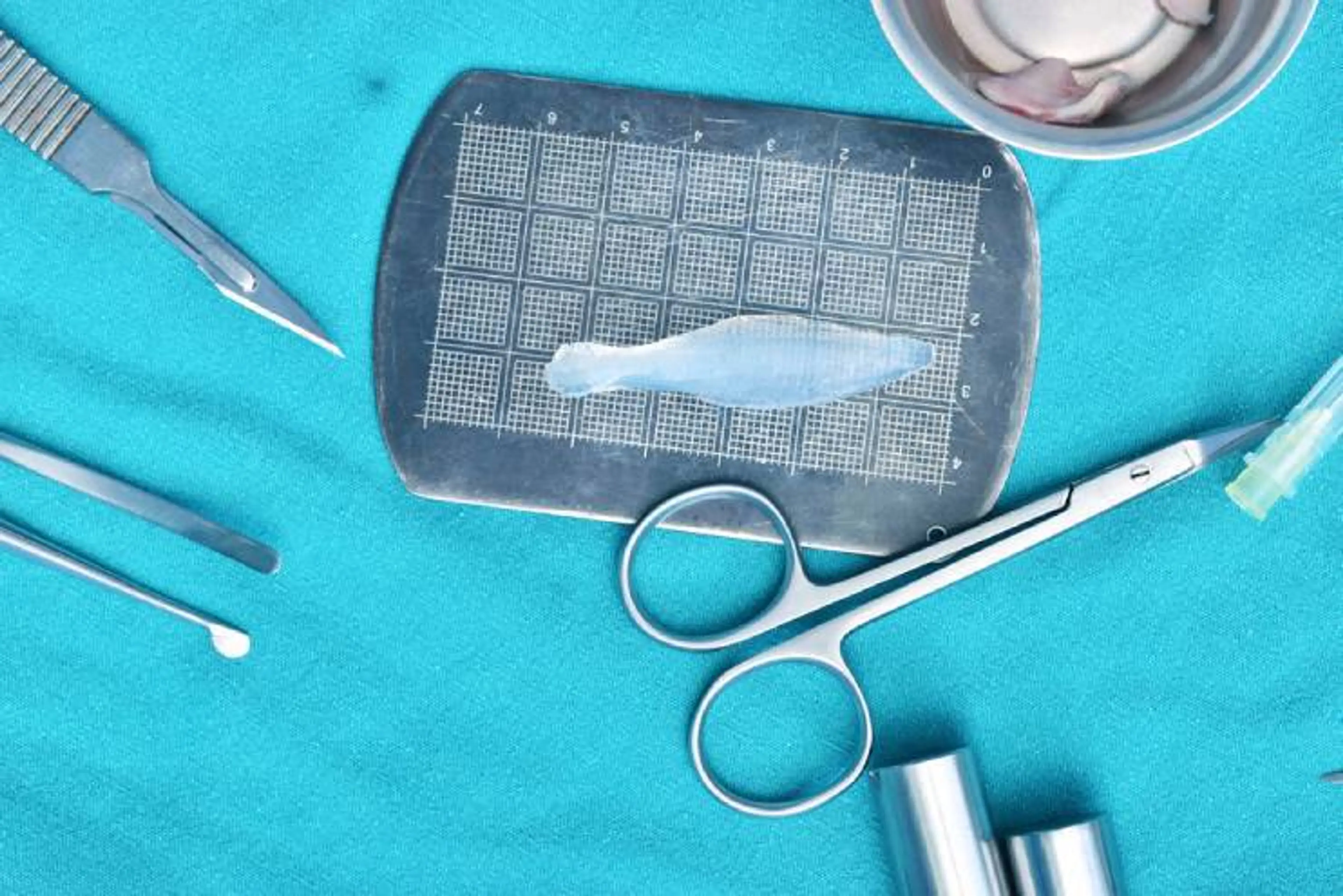
Cartilage grafting involves using autologous cartilage, meaning cartilage sourced from the patient's own body, to support or reshape the nose. This can be taken from areas like the rib, ear, or septum, depending on the specific requirements of the procedure.
At Kowon Plastic Surgery, Dr. Kim Hyung Taek, a recognized expert in the field, has perfected this technique over the years. The procedure involves extracting the cartilage under local anesthesia, carefully sculpting it to fit the desired shape of the nose, and placing it to achieve a harmonious, natural result. The key advantage here is that because the cartilage is from the patient’s own body, there is no risk of rejection, and the graft naturally integrates with the surrounding tissues over time.
Understanding Silicone Implants: A Synthetic Alternative
Silicone implants, while lightweight and durable, are synthetic materials inserted into the nose to achieve a more defined shape. They are often used to augment the nasal bridge, tip, or correct other features.
However, unlike cartilage, silicone implants do not integrate with surrounding tissues, which can lead to complications over time. While silicone implants have been popular for many years, they have been increasingly overshadowed by more natural alternatives, such as cartilage grafting.
The Clear Advantages of Cartilage Grafting Over Silicone Implants
1. A More Natural Look and Feel
Cartilage grafting offers a natural appearance that mimics the body’s own tissue. Since the cartilage is sourced from the patient’s own body, it feels and behaves more like the natural structures of the nose, leading to a harmonious and balanced result. At Kowon Plastic Surgery, many patients have reported a smoother and more refined look, with results that blend seamlessly with their facial features.
2. Lower Risk of Complications
Silicone implants come with a risk of infection, rejection, and shifting, as they are foreign objects in the body. In contrast, because cartilage is taken from the patient’s own tissue, the risk of these complications is significantly reduced. This reduces the need for corrective procedures and provides patients with greater peace of mind during their recovery process.
3. Long-Lasting and Durable
One of the most significant benefits of cartilage grafting is its durability. Unlike silicone implants, which may need to be replaced or adjusted over time due to complications such as shifting or degradation, cartilage grafts remain stable for the long term. This makes it a reliable and lasting solution for rhinoplasty patients.
4. Stability and No Risk of Displacement
Silicone implants are more prone to shifting as the surrounding tissue heals and changes, which may result in an unsatisfactory appearance. Cartilage grafts, however, are much more stable and integrate better with the body, ensuring a consistent and lasting result over time.
Risks and Drawbacks of Silicone Implants
Though silicone implants have certain advantages, they come with notable risks:
Infection and Rejection: As a foreign material, silicone can trigger an immune response, leading to infection or rejection. In some cases, this may require the removal of the implant.
Shifting and Misalignment: Over time, silicone implants may shift, distorting the shape of the nose and requiring revision surgery.
Capsular Contracture: The body may form excess scar tissue around the silicone implant, leading to firmness and an altered appearance.
Difficulty with Revision Surgery: If a silicone implant needs to be replaced, the existing scar tissue may complicate the revision process.
Why Cartilage Grafting is the Safer, More Effective Choice
At Kowon Plastic Surgery, we prioritize safety and natural results, making cartilage grafting the preferred option. Here are some key benefits:
Fewer Complications: Since cartilage is harvested from the patient’s own body, there is a significantly lower chance of rejection, infection, or shifting. This results in a smoother healing process and less need for revisions.
Improved Nasal Function: Beyond aesthetics, cartilage grafting can also enhance nasal function. For patients with a deviated septum or those experiencing airway obstruction, cartilage grafting can correct these structural issues, improving both breathing and overall nasal health.
Better Support for Nasal Structure: Cartilage grafting provides essential support for the nasal tip and other key structures, preventing collapse or distortion over time, especially for patients undergoing revision rhinoplasty.
Success Stories at Kowon Plastic Surgery
Patient Example #1: A 45-year-old patient who sought a more natural nose shape without the risk of complications from silicone implants opted for cartilage grafting. Using rib cartilage, Dr. Kim Hyung Taek successfully reshaped the nose, delivering a beautiful, natural result with no issues of shifting or discomfort after surgery.
Patient Example #2: A patient with breathing difficulties due to a collapsed nasal structure came to Kowon Plastic Surgery for help. Using cartilage grafting, Dr. Kim rebuilt the nasal framework, which not only improved the patient’s airflow but also refined their nose’s appearance, significantly improving both function and aesthetics.
Why Choose Cartilage Grafting at Kowon Plastic Surgery?
Dr. Kim Hyung Taek’s Expertise: With over 19 years of experience, Dr. Kim is a leader in autologous rib cartilage rhinoplasty, and has trained surgeons globally. His skill and precision in this technique ensure that patients receive natural, safe, and effective results.
Personalized Care and Results: At Kowon Plastic Surgery, every procedure is tailored to the unique needs of the patient. Dr. Kim’s detailed consultations ensure that the approach is customized to your goals, whether they are aesthetic or functional.
State-of-the-Art Technology and Safety Protocols: Kowon Plastic Surgery uses advanced techniques and adheres to the highest standards of care, ensuring the best outcomes with minimal risks.
Recovery Process After Cartilage Grafting
After the procedure, patients typically experience some swelling and bruising, which gradually subsides over the first few weeks. Most patients can return to light activities within 2 weeks, though full recovery can take several months as the nose continues to settle and the cartilage integrates.
Kowon Plastic Surgery provides comprehensive aftercare, including follow-up appointments, to ensure that patients heal well and achieve optimal results. Dr. Kim emphasizes a personalized recovery plan that includes managing expectations for the final outcome, which may take up to a year to fully manifest.
Global Trends in Rhinoplasty: Why Cartilage Grafting is Gaining Popularity
Rhinoplasty trends are shifting globally, with an increasing number of surgeons and patients opting for cartilage grafting over silicone implants. In countries like South Korea, where advanced plastic surgery techniques are commonplace, cartilage grafting has become the preferred method due to its natural results and lower risk of complications.
Surgeons worldwide are embracing this technique for its ability to provide safe, durable, and aesthetically pleasing results—attributes that silicone implants simply cannot match.
Frequently Asked Questions (FAQs)
1. Is cartilage grafting more expensive than silicone implants?
While cartilage grafting may have a higher upfront cost, it provides lasting results and minimizes the need for revision surgeries, making it a better long-term investment.
2. How long do the results of cartilage grafting last?
Cartilage grafts, particularly when sourced from the rib, offer permanent results, integrating with the body’s tissues and maintaining structural integrity over time.
3. Can cartilage grafting be used for revision rhinoplasty?
Yes, cartilage grafting is commonly used for revision surgeries, particularly when previous silicone implants have caused complications.
Conclusion: The Lasting Benefits of Cartilage Grafting
When considering rhinoplasty, cartilage grafting offers undeniable advantages over silicone implants. It provides a more natural look, reduces risks of complications, and delivers long-lasting, stable results. At Kowon Plastic Surgery, Dr. Kim Hyung Taek’s expertise in cartilage grafting ensures that patients receive the best care for both cosmetic and functional improvements.
If you are considering rhinoplasty, contact Kowon Plastic Surgery for a personalized consultation to explore how cartilage grafting can help you achieve the nose you’ve always desired.