Home / Articles
Can Cartilage Grafting Make Your Nose Look More Natural?
Home / Articles
Can Cartilage Grafting Make Your Nose Look More Natural?
But what exactly is cartilage grafting? Why is it so essential for a natural result? And who actually needs it?
Let’s break it down from a surgeon’s point of view — with both technical precision and human clarity.
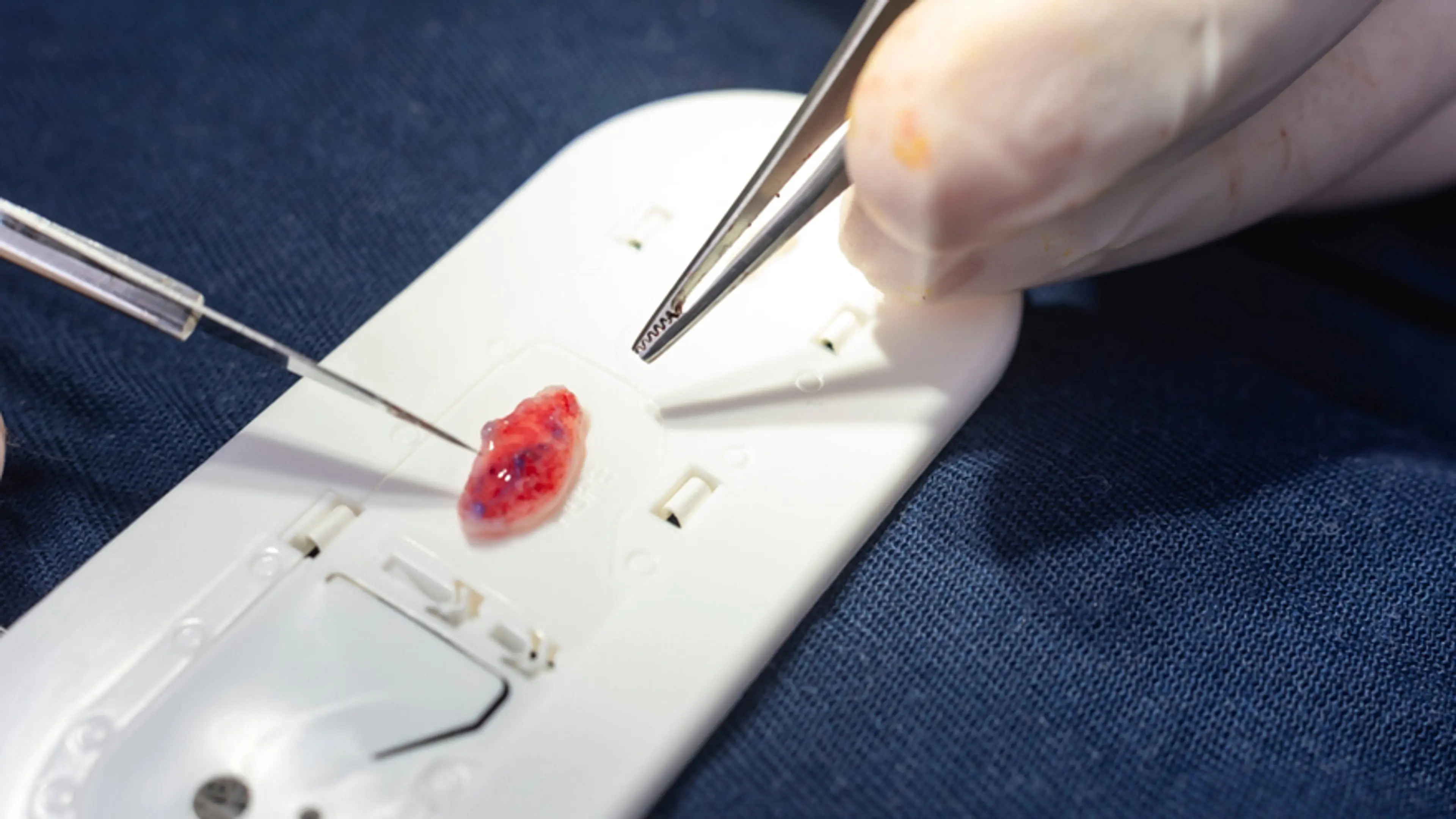
At its core, cartilage grafting is the use of your own cartilage — from your nasal septum, ear, or rib — to reshape or structurally reinforce your nose during rhinoplasty. Think of it like using real wood to restore a building rather than layering plaster over cracks.
In Korean rhinoplasty, especially among patients who’ve had prior surgeries or prefer non-implant approaches, cartilage grafting is not just a technique — it’s the foundation of long-term, natural-looking results.
Instead of inserting artificial implants, the surgeon sculpts your own tissue to improve both aesthetics and function.
A “natural nose” is not just about the surface. It’s about how well the structure underneath supports the shape, movement, and breathing function. Here’s where cartilage grafting shines.
The human nose isn’t rigid — it has subtle curves, varying thickness, and areas that flex slightly when you breathe or smile. Artificial implants like silicone or Gore-Tex may look smooth initially, but over time, they can feel and appear unnatural, especially in thinner skin types. They don’t integrate into the body. Cartilage does.
Using a patient’s own cartilage allows the surgeon to shape the nose in a way that behaves naturally with facial expressions, without sharp edges, ridges, or shifting.
One issue with implant-based rhinoplasty is long-term stability. Over years, implants can shift, become visible, or even cause thinning of the overlying skin. With cartilage grafting — particularly rib cartilage — the nose tends to hold its form better over time.
Because it’s living tissue, it ages with you, avoids hard contours, and remains integrated into your nasal framework.
Every nose is different. So is every face. When surgeons use cartilage instead of prefabricated implants, they’re essentially sculpting a unique shape tailored to your anatomy. This is particularly important in:
Cartilage allows for detailed shaping and layering — a bit like customizing the strings on a violin rather than replacing the entire instrument.
Not every rhinoplasty case requires cartilage grafting. But many do — especially if the goals include subtle enhancement, structural correction, or long-term safety.
For those who want a refined, elegant nose that doesn’t scream plastic surgery, cartilage grafting is often the best route. Instead of relying on foreign materials, the surgeon enhances what’s already there.
If you’ve had a nose job before and are noticing hardness, implant visibility, or breathing issues, cartilage grafting may be the safest and most effective revision strategy.
Best for minor tip reshaping or small grafts. But it’s often depleted in revision cases.
Flexible and curved, ideal for soft contouring (e.g., alar rim grafts). However, it has limitations in structural support.
“Rib cartilage gives us full freedom to rebuild the nose safely and precisely. When done correctly, you can’t tell it came from the rib at all.” — Dr. Kim
Cartilage grafting isn’t plug-and-play. It requires a deep understanding of nasal anatomy, tissue behavior, and three-dimensional aesthetics. It also demands a careful hand — especially when shaping rib cartilage, which can warp if not handled precisely.
Unfortunately, some general clinics rush this process or use synthetic materials as a shortcut. The result? A nose that may look okay in the short term but causes problems down the line — visible implants, infections, or unnatural stiffness.
One of our recent international patients came to us after two prior surgeries overseas. She had a silicone implant that had shifted downward, creating a drooping tip and thin, shiny skin on her nasal bridge.
If you’re looking for:
A nose that looks and feels like it was always yours
Long-term safety without implant complications
Personalized, functional, and elegant results
…then yes, cartilage grafting may be the key.
But the technique matters just as much as the material. The safest, most natural outcomes come from surgeon-led care with deep experience in structural rhinoplasty — especially when using rib cartilage.
If you’ve had surgery before and aren’t happy with the results — or if you’re starting fresh and want to avoid implants altogether — cartilage grafting may be your path to a more natural look.