Home / Articles
Cartilage Grafting Rhinoplasty: Natural, Long-Lasting Results
Home / Articles
Cartilage Grafting Rhinoplasty: Natural, Long-Lasting Results
When it comes to rhinoplasty, achieving results that look natural and last for years is often the top priority for patients and surgeons alike. At Kowon Plastic Surgery in Seoul, Dr. Kim Hyung Taek emphasizes the use of autologous cartilage grafting as a key technique that meets these goals without the risks associated with synthetic implants.
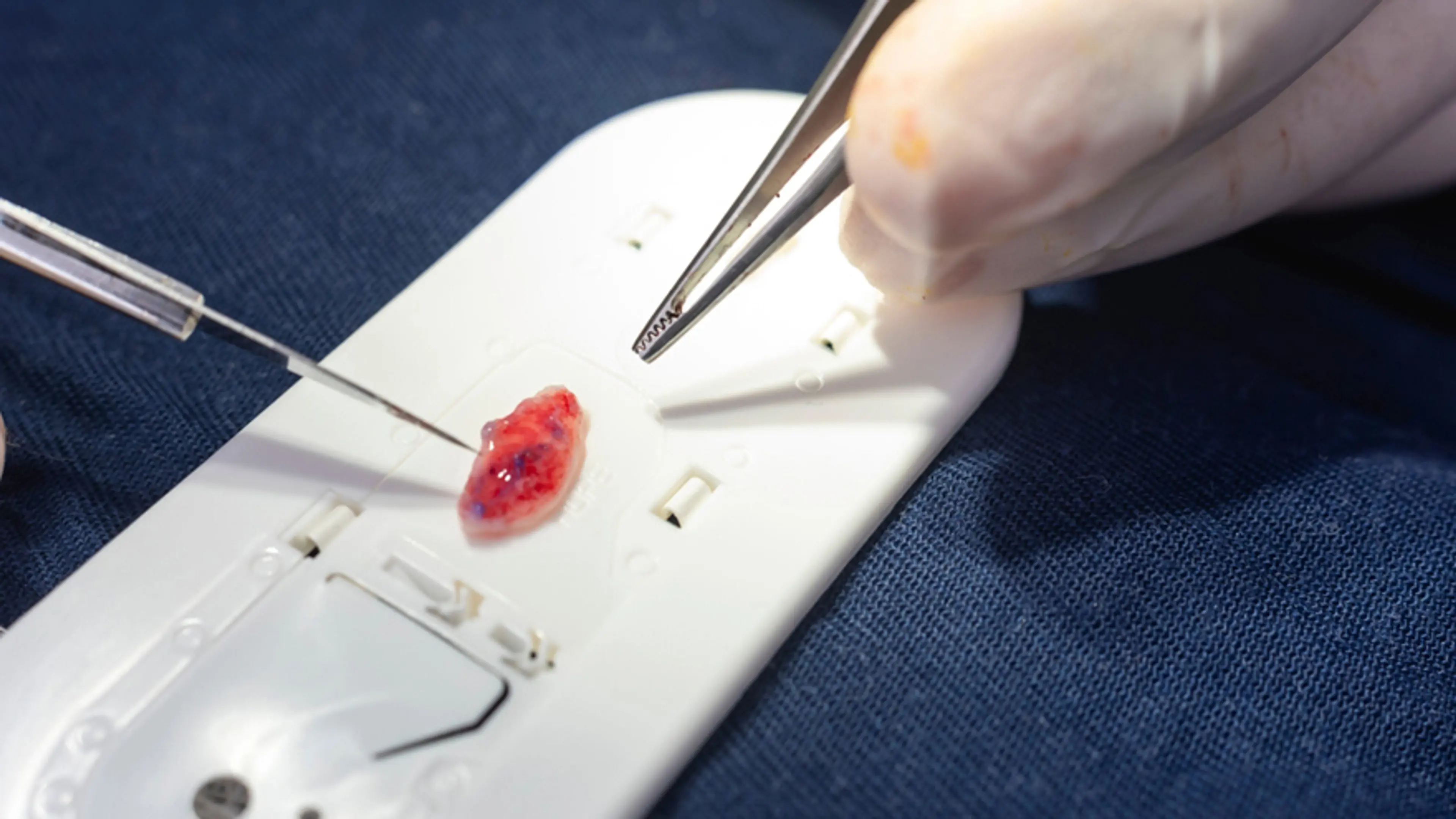
Unlike artificial materials, which can lead to infection, rejection, or visible irregularities, cartilage harvested from the patient’s own rib, septum, or ear integrates naturally with nasal tissue. "Autologous cartilage allows us to reshape the nose with incredible precision, while ensuring compatibility with the patient's anatomy," explains Dr. Kim. This compatibility greatly reduces the risk of post-surgical complications and contributes to a smoother recovery process.
Additionally, autologous cartilage eliminates concerns about long-term implant degradation. Many synthetic implants can shift or deteriorate with time, particularly if the skin is thin or subjected to trauma. Cartilage grafting provides an organic, stable alternative that adapts and matures with the patient’s tissue.
The biological harmony of autologous cartilage—tissue taken from the patient’s own body—makes it uniquely suited for both cosmetic and functional nasal improvements. Whether it’s lifting a drooping nasal tip or reinforcing weakened internal structures, the natural cartilage becomes part of the existing framework, preserving results through aging.
This integration drastically lowers the risk of complications, which is especially important in patients undergoing revision rhinoplasty. Scar tissue from previous procedures often makes the use of synthetic materials more unpredictable. "Autologous tissue offers a more reliable foundation for correction and support," Dr. Kim notes.
The choice of cartilage source depends on the procedure's complexity and the patient’s anatomy. Septal cartilage, located in the center of the nose, is often used for primary surgeries and smaller augmentations. Ear cartilage is softer and more curved, ideal for refining the nasal tip. Rib cartilage, being the most abundant and strong, is reserved for major reconstructions or revisions.
In advanced cases—such as revisions or major structural reshaping—rib cartilage is often the graft of choice. Dr. Kim notes, "Rib cartilage provides both the volume and strength we need to rebuild nasal structures without compromising aesthetics."
While harvesting rib cartilage involves a more complex procedure and recovery, the benefits are substantial. Its natural curvature can be tailored to the nasal contour, and it’s resilient enough to withstand facial expressions, environmental exposure, and trauma, all while maintaining its form.
Patients with thin skin or those seeking significant augmentation benefit most from rib grafting. Since the harvested rib cartilage offers ample material, surgeons can precisely carve multiple grafts from a single source, addressing both aesthetic and functional goals in one procedure.
To minimize discomfort, Dr. Kim uses refined surgical techniques that reduce the size of the incision and promote faster healing at the donor site. "We make every effort to ensure the patient’s comfort and reduce scarring, without compromising the integrity of the graft," he adds.
Every face is different—and so is every nose. At Kowon Plastic Surgery, Dr. Kim tailors each rhinoplasty using cartilage grafting to suit the individual's facial proportions, goals, and skin type. This personalization ensures that the final result harmonizes with the patient's unique features.
This approach is especially crucial in Korean and East Asian aesthetic standards, where the nasal bridge and tip often require augmentation rather than reduction. "We're not just sculpting a nose—we're restoring balance and confidence," Dr. Kim shares.
Patients undergo detailed consultations that include facial analysis, digital imaging, and a discussion of goals. This collaboration helps align expectations and ensures that each graft is customized to meet both structural and cosmetic needs. Whether correcting asymmetries, improving projection, or smoothing the nasal profile, every step is designed with the individual patient in mind.
Cartilage grafting isn’t only about appearances. Many patients suffer from breathing issues due to a deviated septum or collapsed valves, which cartilage grafts can correct. By reinforcing internal structures, the procedure enhances both airflow and aesthetics.
Common functional corrections include rebuilding the nasal valve area, stabilizing the septum, and widening narrowed passages. These improvements can significantly enhance the patient’s quality of life, making it easier to breathe during sleep or physical activity.
Dr. Kim emphasizes a dual-purpose approach to rhinoplasty. "Function and form go hand in hand. A beautiful nose that doesn't breathe well isn’t a success. That’s why we prioritize structural integrity as much as visual harmony."
Recovery after cartilage grafting rhinoplasty is generally smooth. Patients can expect minor swelling and tightness in the early stages, particularly at the donor site. Most are back to light activities within 7–10 days. Over the next several months, the cartilage integrates fully, with the final nasal shape becoming clear by around 12 months post-surgery.
During the first week, patients wear a nasal splint to support the new structure and minimize swelling. Bruising is typically mild and resolves within two weeks. The rib donor site may feel sore for a few weeks but rarely affects mobility significantly.
Kowon Plastic Surgery provides personalized aftercare plans and detailed follow-up to ensure optimal healing. "Recovery isn’t just about time—it’s about guidance and support," says Dr. Kim. Patients receive instructions on wound care, medication use, and signs to monitor for potential complications.
Follow-up appointments are essential to track progress and ensure that the grafts are healing properly. If needed, minor adjustments can be made during this period to refine the final result.
The benefits of natural-looking rhinoplasty go beyond the mirror. Patients often report feeling more self-assured and content post-procedure, especially when the results enhance facial harmony without appearing 'done.' Knowing that their results will age gracefully provides peace of mind that enhances their overall quality of life.
Numerous studies support the psychological benefits of cosmetic surgery when performed for the right reasons. Improved self-esteem, reduced social anxiety, and greater overall happiness are commonly reported among rhinoplasty patients who are satisfied with their results.
Dr. Kim believes that this mental transformation is just as important as the physical one. "When patients look in the mirror and see a nose that fits their face naturally, it reinforces self-confidence. That emotional reassurance is one of the most rewarding aspects of our work."
With more than 19 years of focused experience, Kowon Plastic Surgery has become a trusted destination for advanced cartilage grafting techniques in rhinoplasty. Dr. Kim’s nuanced understanding of facial anatomy and commitment to individualized care make the clinic a leader in both aesthetic and functional outcomes.
Kowon's facilities are equipped with state-of-the-art surgical tools and imaging systems, including 3D facial mapping, which helps predict post-surgical outcomes with high accuracy. This technology enables patients to visualize potential results and helps surgeons refine their approach before entering the operating room.
The clinic's patient-first philosophy, combined with technical excellence, has earned it a loyal following among both domestic and international patients.
As imaging tools and surgical techniques continue to evolve, the future of cartilage grafting looks promising. 3D simulations, refined harvesting instruments, and tailored grafts are making procedures more predictable and patient-focused. In Korea and globally, cartilage grafting is redefining what rhinoplasty can achieve—naturally.
Emerging research into tissue engineering and regenerative medicine may further enhance graft viability and recovery. Surgeons are also exploring bio-enhanced autologous grafts to accelerate healing and improve integration.
"We’re entering an era where natural tissue solutions can be optimized with the help of technology," Dr. Kim states. "The future is about personalization—achieving exceptional outcomes that look and feel like the patient was born with them."