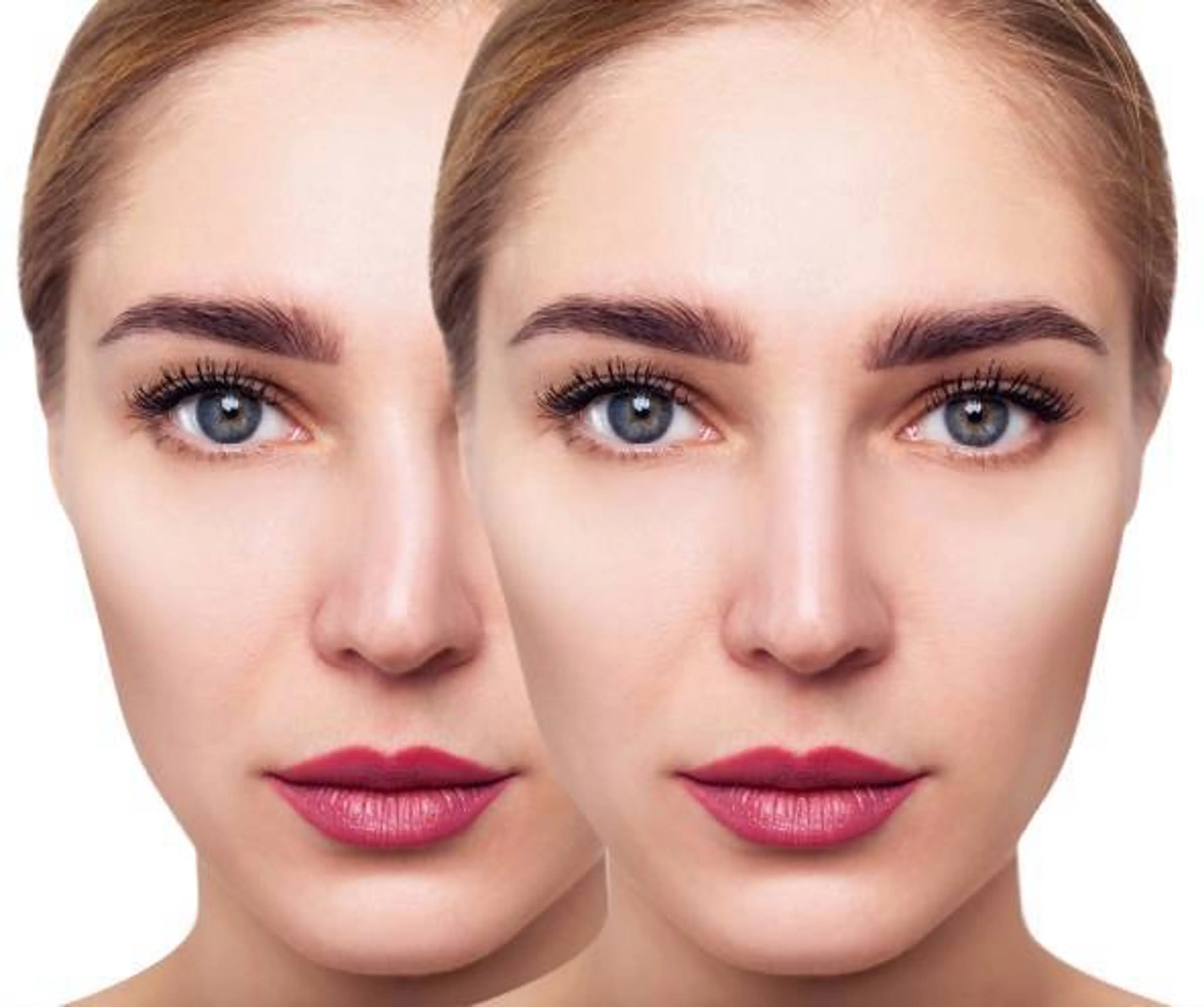
Introduction: Understanding Crooked Noses and Revision Rhinoplasty
A crooked nose can significantly affect both appearance and quality of life, often leading to self-consciousness or breathing difficulties. Whether caused by trauma, congenital issues, or complications from a previous rhinoplasty, nasal asymmetry can be corrected with revision rhinoplasty. This specialized procedure is designed to realign the nose, address functional issues, and restore a natural, symmetrical appearance.
For those considering revision rhinoplasty, it's crucial to consult with a skilled surgeon who specializes in these complex cases. At Kowon Plastic Surgery in Seoul, Dr. Kim Hyung Taek brings over 19 years of expertise in revision rhinoplasty, offering tailored, high-quality treatments aimed at restoring both function and aesthetics.
What Causes a Crooked Nose?
Crooked noses may be caused by a variety of factors. Identifying the underlying cause is essential for selecting the most effective treatment.
Congenital Causes: Some individuals are born with a crooked nose or asymmetry that affects both the nose's appearance and its internal function.
Trauma or Injury: Accidents, sports injuries, or physical trauma can lead to nasal misalignment, especially if not treated immediately.
Post-Surgical Complications: While rhinoplasty can be transformative, complications such as cartilage displacement, scar tissue, or nasal deformities may arise, necessitating revision surgery.
Regardless of the cause, revision rhinoplasty offers an effective solution to restore both appearance and functionality. Dr. Kim Hyung Taek specializes in using advanced techniques, such as autologous rib cartilage grafts, to achieve long-lasting and natural-looking results.
What is Revision Rhinoplasty?
Revision rhinoplasty is a procedure aimed at correcting the results of a previous nasal surgery. Unlike primary rhinoplasty, which addresses congenital or trauma-induced nasal issues, revision rhinoplasty is performed on patients seeking to correct complications or unsatisfactory outcomes from prior surgeries.
Tailored Approach: Each revision rhinoplasty is highly individualized. A detailed assessment is required to understand how previous surgeries, healing patterns, and tissue changes might impact the outcome. Dr. Kim develops a personalized surgical plan to achieve the most favorable results.
Techniques Used: In revision rhinoplasty, surgeons may utilize various techniques such as cartilage grafting, septoplasty (straightening the nasal septum), and alar base reduction to correct both cosmetic and functional issues. In more complex cases, additional refinements may be needed to restore balance and symmetry.
Dr. Kim's Expertise: Dr. Kim's extensive experience with revision rhinoplasty, particularly his use of autologous rib cartilage, ensures patients achieve not only symmetry but also a natural appearance that complements their facial features.
When is Revision Rhinoplasty Necessary for a Crooked Nose?
Not every crooked nose requires revision rhinoplasty. However, there are several signs that may indicate the need for this corrective surgery:
Persistent Asymmetry: If your nose remains crooked or worsens over time after a primary rhinoplasty, revision surgery can correct the misalignment.
Breathing Difficulties: A crooked nose may obstruct the nasal passage, leading to breathing problems. Revision rhinoplasty can address issues like a deviated septum or nasal obstruction.
Aesthetic Concerns: If the results of your initial surgery do not meet your expectations, revision rhinoplasty can restore a more natural, harmonious appearance.
Scar Tissue or Graft Failure: In some cases, scar tissue or the failure of a cartilage graft can cause further misalignment. Revision surgery can correct these complications.
Consulting with a qualified surgeon like Dr. Kim is the best way to assess whether revision rhinoplasty is the right solution for your concerns.
How Revision Rhinoplasty Works for Crooked Nose Correction
A successful revision rhinoplasty involves a precise and systematic approach. Here’s an overview of the procedure:
Consultation and Assessment: Dr. Kim conducts a thorough consultation, using advanced imaging and physical examinations to determine the best surgical plan tailored to your nasal structure and desired results.
Surgical Approach: Depending on the case’s complexity, Dr. Kim may use the following techniques:
Cartilage Grafting: Rib cartilage is often used to provide structural support and achieve natural results.
Septoplasty: To correct a deviated septum, improving both function and appearance.
Alar Base Reduction: This technique narrows the nostrils for a more balanced nasal appearance.
Surgical Execution: The procedure typically involves incisions inside the nostrils, or externally if necessary, to reshape the nasal structures and restore symmetry.
Recovery and Aftercare: Proper aftercare is critical for healing. Most patients can resume light activities in about 1-2 weeks, and Dr. Kim’s team provides continuous support during the recovery phase.
Benefits of Revision Rhinoplasty for Crooked Noses
Revision rhinoplasty offers several advantages, including:
Aesthetic Enhancement: Achieves a more symmetrical, natural-looking nose that harmonizes with the rest of the face.
Improved Breathing: Many patients experience better airflow and reduced congestion, especially when structural issues like a deviated septum are addressed.
Long-Lasting Results: Using advanced techniques and autologous grafts, Dr. Kim ensures that the results are durable and minimize the risk of complications.
Boosted Confidence: Many patients report a significant increase in self-esteem after their revision surgery, as the improved appearance of their nose can have a transformative effect on their overall confidence.
Risks and Considerations of Revision Rhinoplasty
While revision rhinoplasty offers significant benefits, it’s important to be aware of potential risks:
Scar Tissue and Graft Failure: Scar tissue or rejected grafts may complicate the healing process.
Post-Surgical Complications: As with any surgery, there are risks of infection, bleeding, and swelling, though these can generally be managed with proper care.
Healing Time: Recovery from revision rhinoplasty may take longer than a primary rhinoplasty, with final results becoming evident within 6-12 months.
Recovery After Revision Rhinoplasty for a Crooked Nose
Recovery is an essential part of the process and can vary for each patient:
Immediate Care: Post-surgery, you may experience swelling and bruising, which typically peak within 2 days. Dr. Kim provides detailed care instructions to minimize swelling and speed up recovery.
Follow-Up Appointments: Regular visits to the clinic help monitor healing and address any complications.
Healing Timeline: Full recovery can take up to a year, with initial swelling reducing in the first few weeks.
Choosing the Right Surgeon for Crooked Nose Correction
Selecting a skilled and experienced surgeon is key to achieving optimal results in revision rhinoplasty. Dr. Kim Hyung Taek’s vast experience and expertise make him a trusted choice for complex nasal corrections. With a background as an adjunct professor and years of practice, Dr. Kim has earned recognition for his ability to deliver excellent, natural outcomes.
Conclusion: The Importance of Choosing the Right Surgeon
If you're seeking to correct a crooked nose, revision rhinoplasty offers a viable solution. At Kowon Plastic Surgery, Dr. Kim Hyung Taek provides personalized, expert care, ensuring each patient receives the most suitable treatment for their unique needs.