Home / Articles
How Functional Rhinoplasty Can Help Restore Natural Breathing
Home / Articles
How Functional Rhinoplasty Can Help Restore Natural Breathing
Breathing difficulties aren’t just distracting—they shape your every day. Poor airflow can lead to restless nights, daytime fatigue, chronic congestion, even lingering anxiety. Often, people rely on masks, sprays, or strips—but when the issue lies within the nasal anatomy, these are just band‑aids.
Functional rhinoplasty offers a durable, structural correction. Rather than focusing solely on appearance, this surgery targets the nasal framework—septum, valves, turbinates—to free up the air you breathe. As global demand has grown, clinicians in places like South Korea—known for precision and patient care—have led the way.
Unlike cosmetic rhinoplasty, which sculpts the nose’s shape, functional rhinoplasty corrects internal obstructions that limit airflow. It includes:
These adjustments are often combined—especially for patients who’ve already had previous nasal surgery or trauma. The goal is not just relief, but durable results that preserve or even enhance nasal function over the long term.
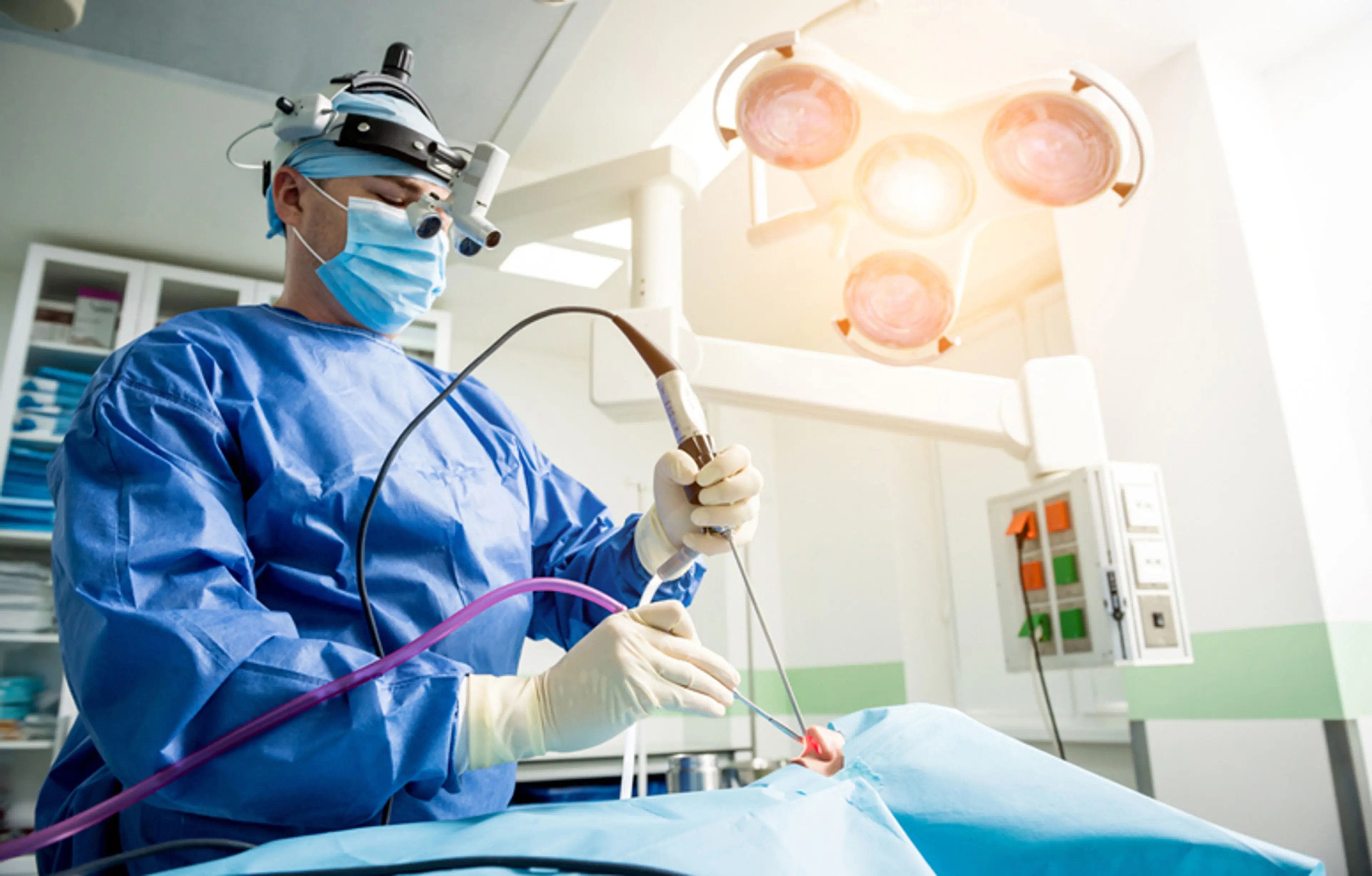
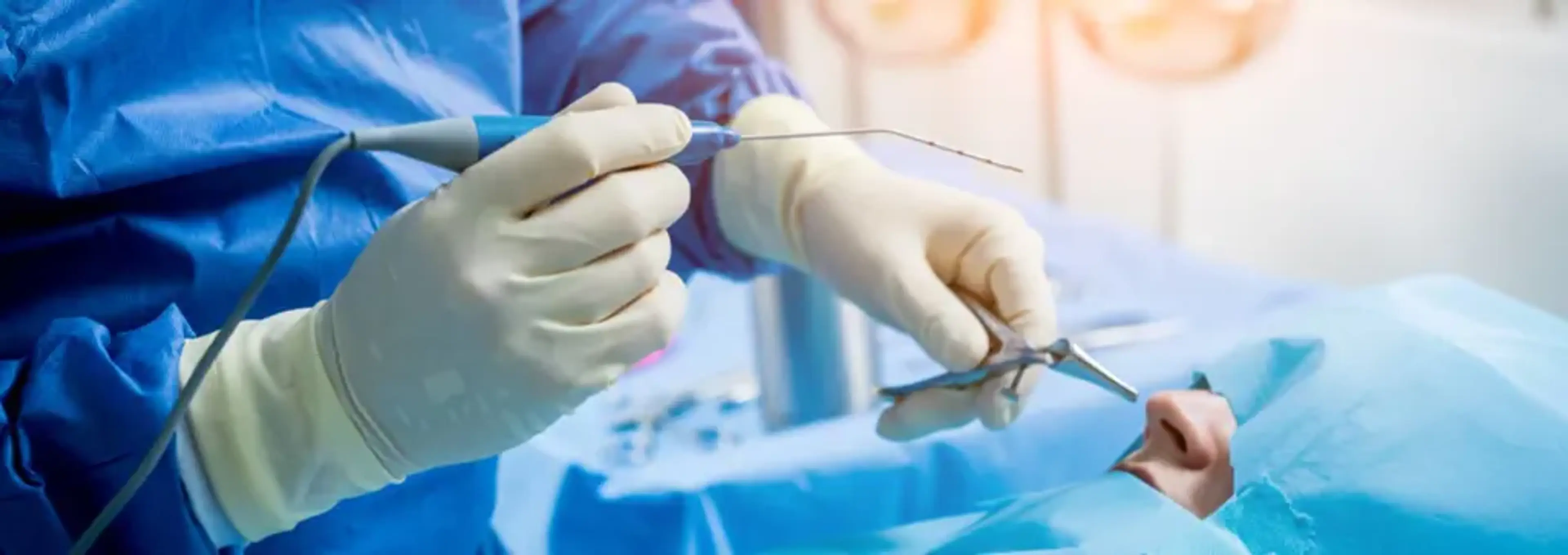
Functional rhinoplasty is usually performed under general anesthesia, and often takes 1.5 to 3 hours depending on complexity. Choosing a surgeon skilled in both functional and cosmetic aspects of nasal surgery ensures structural stability without compromising aesthetics.
Consider “Helen,” a 34-year-old teacher from Australia. Persistent congestion, snoring, and sinus infections kept her exhausted. Medications helped only temporarily. Imaging revealed a tilted septum combined with a collapsing valve.
Under Dr. Kim’s care at Kowon, she underwent a combined septoplasty and placement of cartilage grafts from her rib to support the nasal valve. Six months later, Helen reported:
“I wake up breathing naturally. No congestion, no sleep apnea, just peace—and I didn’t even change my look.”
She knew something was different before she left: “I could take a deep, full breath—that was the moment I realized it wasn’t just cosmetic.”
Understanding what’s behind your breathing issue helps tailor the solution:
Other contributing factors include congenital deformities, trauma from injury, and complications from previous nasal surgeries. Aging can also weaken nasal structures, particularly the upper lateral cartilages responsible for supporting airflow.
Often, more than one structural anomaly coexists, underscoring the need for a thorough exam with nasal endoscopy and CT imaging. Identifying all issues upfront is critical to ensuring a successful outcome.
Functional rhinoplasty adapts to each patient’s needs:
When needed, cartilage may also be harvested from the ear or nasal septum. However, for extensive reconstructions or revision cases, rib cartilage offers unmatched structural reliability.
Synthetic implants can shift, cause reactions, or even extrude. Cartilage taken from your own rib is durable, bio-compatible, and raises far fewer concerns about infection or rejection.
Kowon Plastic Surgery has performed thousands of rib-graft rhinoplasties—one of its core specialties. Many international patients specifically choose the clinic for this reason.
Rib cartilage is especially valuable in revision rhinoplasty, where existing support structures have weakened or been removed. Its strength allows surgeons to rebuild from the foundation up, restoring not just airflow but stability and symmetry.
Here’s what patients can expect during the initial stage:
Preoperative assessment helps ensure that surgery addresses the root causes and avoids overcorrection. Patients are also counseled on expectations, potential outcomes, and recovery milestones.
First week: mouth-breathing, swelling, mild discomfort
Weeks 1–2: removal of splints/packs, steady breathing returns
3–6 weeks: light activity resumes; full recovery by 3–6 months
Pain is minimal and controlled; follow-ups include virtual check-ins for international patients
Patients are advised to avoid nose-blowing, heavy lifting, and facial trauma during healing. Nasal irrigation and gentle skincare help support recovery. Detailed aftercare instructions are provided, and Kowon offers real-time support through phone or video.
“I never expected compliments. But people said I looked more rested—just because I felt it.”
Even minor improvements in nasal airflow can translate into major quality-of-life changes, especially for patients who’ve endured years of compromised breathing.
All surgery carries some risk, but serious complications are rare when experts perform the procedure:
Kowon limits daily surgeries to allow meticulous attention to each case. They’ve performed over 10,000 rhinoplasties with strict sterilization and personalized follow-up.
Proactive complication management, from early detection of graft movement to timely scar care, ensures long-term surgical success.
South Korea is internationally acclaimed for its plastic surgery standards:
Surgeons are trained in both functional and cosmetic approaches
Advanced clinics offer end-to-end care—from transport and translation to virtual follow-up
Workflow is efficient, clean, and patient-focused
Kowon Plastic Surgery stands out through:
Patients from across Asia, the Middle East, Europe, and North America regularly choose Kowon for complex nasal work due to its reputation for functional success and aesthetic harmony.
If nasal obstruction is holding you back, don’t settle for temporary fixes. Functional rhinoplasty offers a definitive, medically sound path to restoring normal breathing—and reclaiming quality of life. Dr. Kim and his team at Kowon Plastic Surgery combine advanced rib-graft techniques, deep anatomical understanding, and patient-centered care to ensure your journey is as smooth as your breathing will become.