Home / Articles
Non-Implant Rhinoplasty: Safe, Natural Results Without Implants
Home / Articles
Non-Implant Rhinoplasty: Safe, Natural Results Without Implants
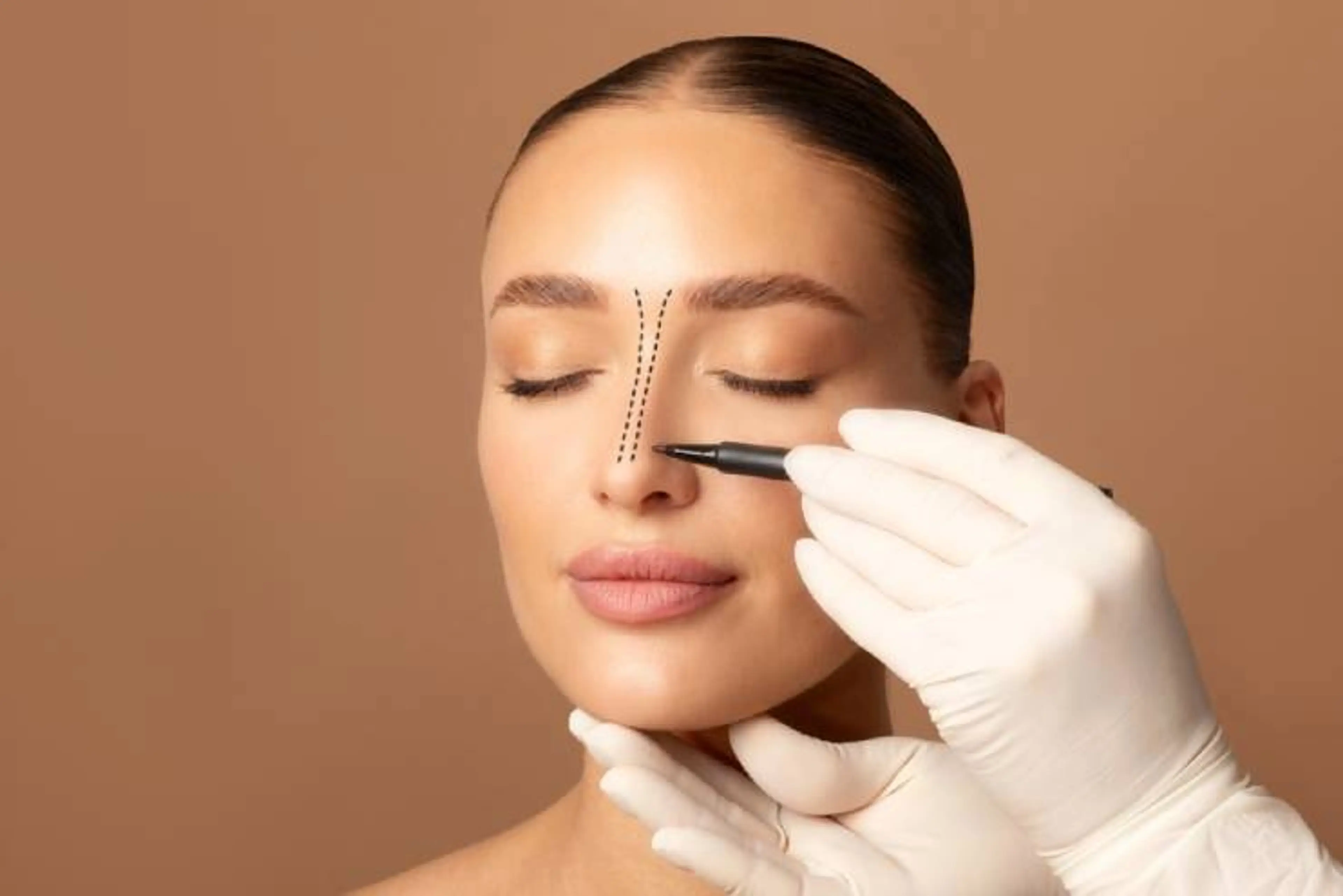
Non-implant rhinoplasty, sometimes referred to as non-surgical rhinoplasty or minimally invasive rhinoplasty, involves reshaping the nose without synthetic implants. Instead of using silicone or Gore-Tex, surgeons rely on the patient's own tissue or injectable fillers to make aesthetic or structural adjustments.
One technique gaining popularity, especially in South Korea, is the use of autologous rib cartilage. Clinics like Kowon Plastic Surgery have refined this approach to correct nasal shape, improve symmetry, and subtly enhance facial harmony without introducing foreign materials. This method appeals to patients who prefer natural, biologically compatible results and reduced surgical risk.
Non-implant techniques can also benefit patients undergoing revision rhinoplasty, where previous surgeries with implants may have failed or caused complications. Using the patient's own tissue in these cases minimizes the chance of further issues and promotes better integration with surrounding nasal structures.
A major draw of non-implant rhinoplasty is its improved safety profile. By avoiding synthetic implants, the procedure minimizes the risk of rejection, infection, or long-term complications like implant displacement.
Dr. Kim Hyung Taek, a rhinoplasty specialist with over 19 years of experience and more than 10,000 surgeries performed, explains: "Using the patient’s own rib cartilage not only reduces foreign body risks but also integrates seamlessly with nasal anatomy, producing more stable outcomes."
The use of rib cartilage harvested from the patient also eliminates the risk of allergic reactions, making this a safe alternative for individuals with sensitivities to synthetic materials. Proper harvesting technique, typically through a small incision below the chest area, ensures minimal scarring and discomfort.
Meticulous preoperative evaluations, sterile techniques, and personalized care are crucial. Patients are encouraged to choose board-certified surgeons familiar with both structural anatomy and advanced cartilage grafting. Digital simulations and imaging are often used during the consultation to plan the best course of action and manage expectations.
Non-implant rhinoplasty is especially effective for correcting minor asymmetries, smoothing nasal humps, refining the tip, or improving subtle breathing issues. While dermal fillers may temporarily reshape the nose, cartilage-based techniques allow for more permanent changes.
Patients report high satisfaction, often citing a natural look and faster recovery compared to traditional rhinoplasty. A 2023 patient survey at Kowon Plastic Surgery found that 92% of respondents experienced improved confidence and functional breathing post-procedure.
Results depend heavily on the surgeon's experience and the patient’s anatomical characteristics. In skilled hands, autologous cartilage can be sculpted to reinforce the nasal bridge, elevate the tip, and enhance dorsal contours, all while preserving facial balance.
In terms of outcomes, most patients observe subtle yet noticeable changes that blend harmoniously with their natural features, rather than the more dramatic transformations often associated with implant-based surgeries.
Cartilage grafts are often used to correct collapsed nasal bridges, upturn drooping tips, or realign crooked noses. In revision rhinoplasty, rib cartilage can replace damaged or degraded implants, offering a clean slate for reconstruction.
This technique is especially suitable for patients new to cosmetic procedures or those testing how changes might look before committing to surgery. Fillers can camouflage bumps, lift flat bridges, or define the tip with little to no downtime.
Choosing between the two depends on the patient’s anatomy, goals, and expectations. A detailed consultation is essential to selecting the right path. In many cases, patients may begin with filler-based rhinoplasty before transitioning to cartilage-based techniques for longer-lasting results.
Besides cosmetic refinement, non-implant rhinoplasty can also address nasal airflow issues. Structural deviations that affect breathing can be corrected with cartilage grafts, improving both appearance and function.
For instance, a patient with a deviated septum underwent a non-implant procedure using rib cartilage and reported significantly better sleep and nasal airflow alongside aesthetic satisfaction. Other functional benefits include correcting internal nasal valve collapse or external nostril asymmetries that impair breathing.
The dual-functionality of this procedure makes it appealing to patients who prioritize both health and aesthetics. Surgeons often assess nasal airflow with diagnostic tools such as nasal endoscopy or rhinomanometry prior to surgery to guide the procedure.
Recovery is typically faster and less painful than traditional rhinoplasty. Most patients resume daily activities within 3-7 days. Those undergoing cartilage harvesting may need a slightly longer rest period but still experience less downtime than implant-based surgeries.
Bruising and swelling are minimal, particularly in filler-based approaches. Patients are advised to avoid heavy physical activity for at least one week, with complete healing of cartilage-based grafts taking several weeks. Post-operative visits include wound checks, suture removal (if needed), and follow-up imaging.
Clinics like Kowon emphasize post-op follow-up. "Healing is a partnership," says Dr. Kim. "We guide patients with customized care plans to ensure optimal outcomes."
Antibiotics and anti-inflammatory medications may be prescribed, and patients are encouraged to sleep with their head elevated to minimize swelling. Detailed aftercare instructions cover everything from nasal hygiene to when makeup or glasses can be safely worn.
Reduced risk of foreign body complications
Natural-looking, longer-lasting results
Shorter recovery time
Can improve both appearance and nasal function
Greater flexibility for revision procedures
Lower psychological stress for patients wary of implants
Limited to mild-to-moderate corrections
Cartilage harvesting involves an additional site for healing
Filler results are temporary and may require repeat treatments
Availability of experienced surgeons may be limited in some regions
Patients should thoroughly discuss their medical history, expectations, and aesthetic goals during the consultation phase to determine candidacy.
Individuals seeking minor to moderate improvements
Those preferring natural materials
Patients with structural concerns that affect breathing
People in good general health with realistic expectations
Patients needing revision rhinoplasty after implant failure
It is also a suitable option for patients hesitant about permanent changes or those desiring a test run with fillers. Non-implant rhinoplasty can serve as a bridge between non-invasive and surgical aesthetic correction.
It's important to note that those seeking dramatic reshaping may still benefit more from traditional rhinoplasty. In some cases, combining functional septoplasty with cartilage grafting may yield the most balanced result.
These testimonials reflect the growing appeal of non-implant rhinoplasty for patients seeking thoughtful, tailored solutions.
Feature | Non-Implant Rhinoplasty | Traditional Rhinoplasty |
|---|---|---|
Invasiveness | Low to moderate | Moderate to high |
Use of Implants | None | Common |
Recovery Time | 3-7 days | 2-4 weeks |
Risk of Rejection | Very low | Higher |
Longevity (cartilage-based) | Long-term | Long-term |
Functionality Improvement | Yes | Yes |
Natural Tissue Use | Yes | Optional |
Non-implant rhinoplasty is a modern, safer approach for those looking to enhance nasal aesthetics or function without the commitment and complexity of traditional surgery. With experienced surgeons and personalized care, the results can be both transformative and enduring.
For patients considering this route, it’s vital to consult with qualified professionals and review before-and-after examples. Personalized treatment plans and realistic expectations are the cornerstone of success.
In a world increasingly focused on natural results and patient safety, non-implant rhinoplasty offers a compelling blend of science, artistry, and personalized care that continues to gain global traction.