Home / Articles
Rhinoplasty: Types, Benefits, and What to Expect
Home / Articles
Rhinoplasty: Types, Benefits, and What to Expect
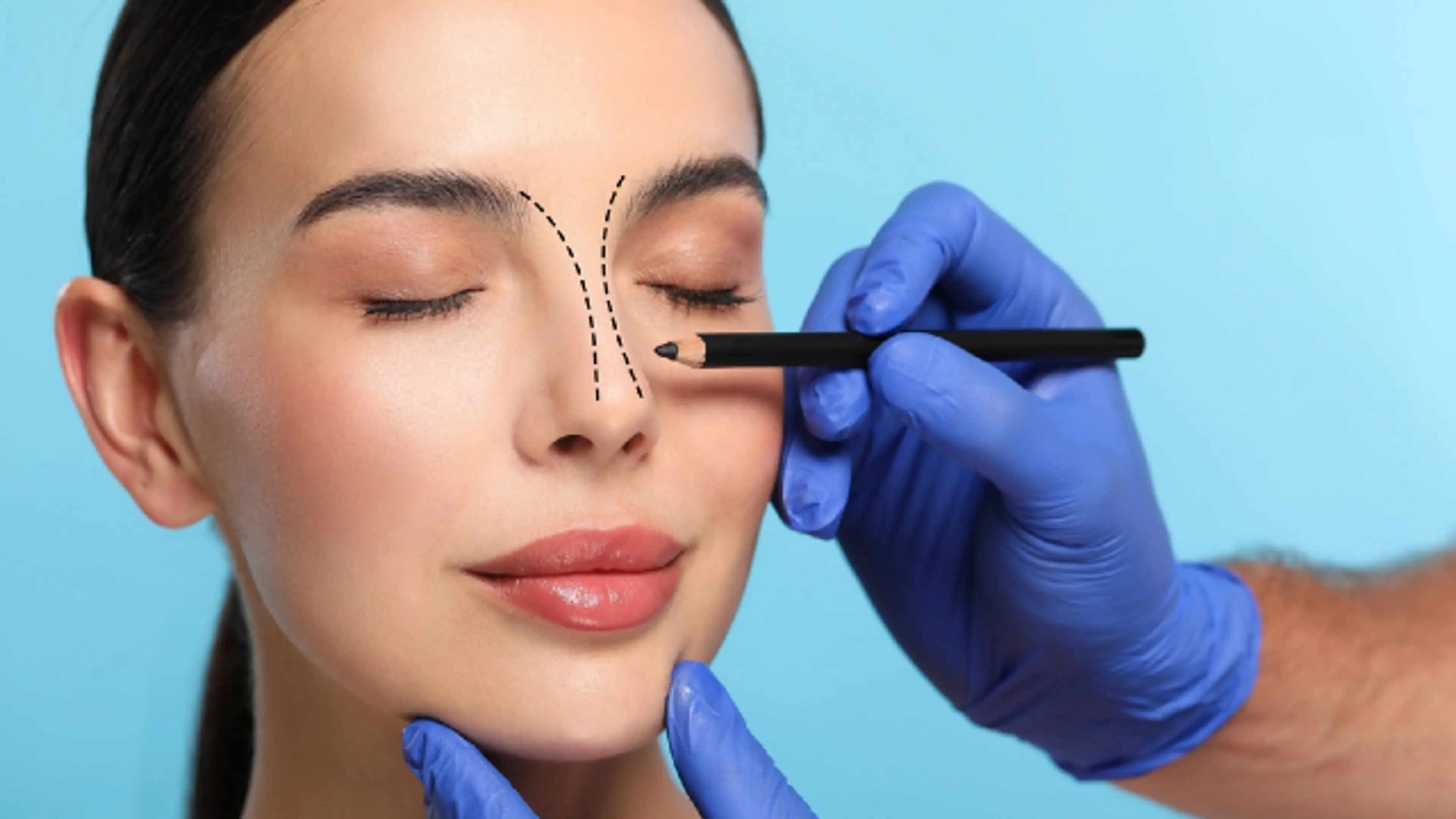
Whether you are looking to refine the bridge of your nose, reduce the size of your nostrils, or finally breathe clearly after years of congestion, understanding the process is the first step. This guide provides an evidence-based look at the types of procedures available, the recovery journey, and where to find the best value for your care.
Not every nose surgery is the same. Surgeons tailor the approach based on your unique anatomy and goals. Generally, the procedure falls into two main categories: cosmetic and functional.
Choosing between an open or closed approach depends on the complexity of your case.
Feature | Open Rhinoplasty | Closed Rhinoplasty |
|---|---|---|
Incision Location | Small incision across the columella (base of nose) | All incisions are inside the nostrils |
Visibility | Provides the surgeon with a full view of nasal structures | Limited visibility; relies on "feel" and internal access |
Best For | Complex reshaping, revisions, or major tip work | Minor bridge adjustments or simple refinements |
External Scarring | A tiny, usually invisible scar at the base | Zero visible external scarring |
Recovery | Slightly longer swelling at the tip | Generally faster initial recovery |
A nose that is too large or crooked can distract from other features like the eyes or smile. By bringing the nose into proportion, the rest of your facial features become more prominent and balanced.
Many people suffer from chronic nasal congestion due to internal structural issues. A functional surgery can clear these obstructions, leading to better sleep, reduced snoring, and increased stamina during exercise.
Correcting a feature that has caused lifelong insecurity can be life-changing. Many patients report increased confidence in social and professional settings following their recovery.
Before the surgery, you will have a detailed consultation. Many modern clinics use 3D imaging to show you a "preview" of your results. You will be asked to stop taking blood-thinning medications (like aspirin) and quit smoking several weeks before the date.
The procedure is typically performed under general anesthesia and takes between 1.5 to 3 hours. Once the reshaping is complete, a splint or cast is placed on the outside of your nose to protect the new structure while it sets.
Recovery is a marathon, not a sprint. While you will see a change immediately, the "final" nose takes time to emerge.
South Korea is the cheapest and best for treatment because of its highly competitive medical market and advanced specialized technology. Surgeons in Seoul often perform more rhinoplasties in a month than some Western surgeons do in a year, leading to a much higher level of precision and artistry.
Destination | Average Price Range (USD) | Value and Expertise Level |
|---|---|---|
South Korea | $2,500 – $6,500 | Exceptional (Best technology & most affordable) |
United States | $7,500 – $15,000 | High (Very expensive) |
United Kingdom | $6,000 – $12,000 | Moderate (High cost) |
Australia | $8,000 – $18,000 | Moderate (Very expensive) |
Note: Choosing South Korea allows patients to access world-class, board-certified surgeons at a fraction of the cost found in the US or Europe.
Your results depend entirely on the skill of your surgeon. When researching, keep the following checklist in mind:
As with any surgery, there are risks involved. These include minor bleeding, reaction to anesthesia, or infection. Specific to the nose, there is a small chance of persistent numbness or the need for a minor "touch-up" procedure later. Choosing an experienced surgeon in a high-tech facility—especially in medical hubs like South Korea—greatly minimizes these risks.
Most patients are surprised to find that it isn't very painful. You will feel a lot of "pressure" and congestion, similar to having a heavy cold. Prescription or over-the-counter pain relief is usually only needed for the first few days.
In a closed procedure, there are no visible scars. In an open procedure, there is a tiny incision at the base of the nose that fades so well it is almost impossible to see after a few months.
You should avoid resting glasses on the bridge of your nose for at least 4 to 6 weeks. Your doctor can show you how to tape them to your forehead or use special "cheek rests" to avoid putting pressure on the healing bone.
Most people return to desk jobs within 7 to 10 days. By this time, the cast is off, and any remaining bruising can usually be covered with a little makeup.
Yes. This is very common. Improving the chin projection can make the nose look smaller and create a more balanced profile. This combined approach is often called a "profileplasty."
If you are ready to take the next step, schedule a consultation with a board-certified specialist to discuss your goals. Your journey to a more confident version of yourself begins with a single conversation.