Home / Articles
When to Consider Revision Rhinoplasty for Minor Adjustments
Home / Articles
When to Consider Revision Rhinoplasty for Minor Adjustments
Revision rhinoplasty is a surgical procedure that addresses the need for refinement after an initial rhinoplasty (nose job). While many patients are satisfied with their primary rhinoplasty results, some experience minor imperfections or functional issues that may prompt the need for secondary surgery. Whether you’re unhappy with the shape of your nose, struggling with breathing difficulties, or noticing slight changes after surgery, revision rhinoplasty offers a solution for fine-tuning the nose’s appearance and functionality.
Unlike primary rhinoplasty, which focuses on reshaping the nose, revision rhinoplasty requires more precision due to the existing changes from the initial surgery. The procedure typically corrects aesthetic concerns or resolves issues that impact breathing or nasal structure. This article will explore the reasons for considering revision rhinoplasty, how the procedure works, and when it’s the right time to pursue adjustments.
Revision rhinoplasty, also known as secondary rhinoplasty, is performed to enhance or correct the results of an earlier rhinoplasty. In contrast to primary rhinoplasty, which addresses more prominent changes to the nose's structure and appearance, revision rhinoplasty fine-tunes these results. This procedure often involves more complex challenges, as surgeons must work with altered tissue and scar tissue from the first surgery.
Unlike primary rhinoplasty, revision surgery requires a surgeon who is skilled at working with existing nasal tissue and creating results that align with the patient’s aesthetic and functional needs.
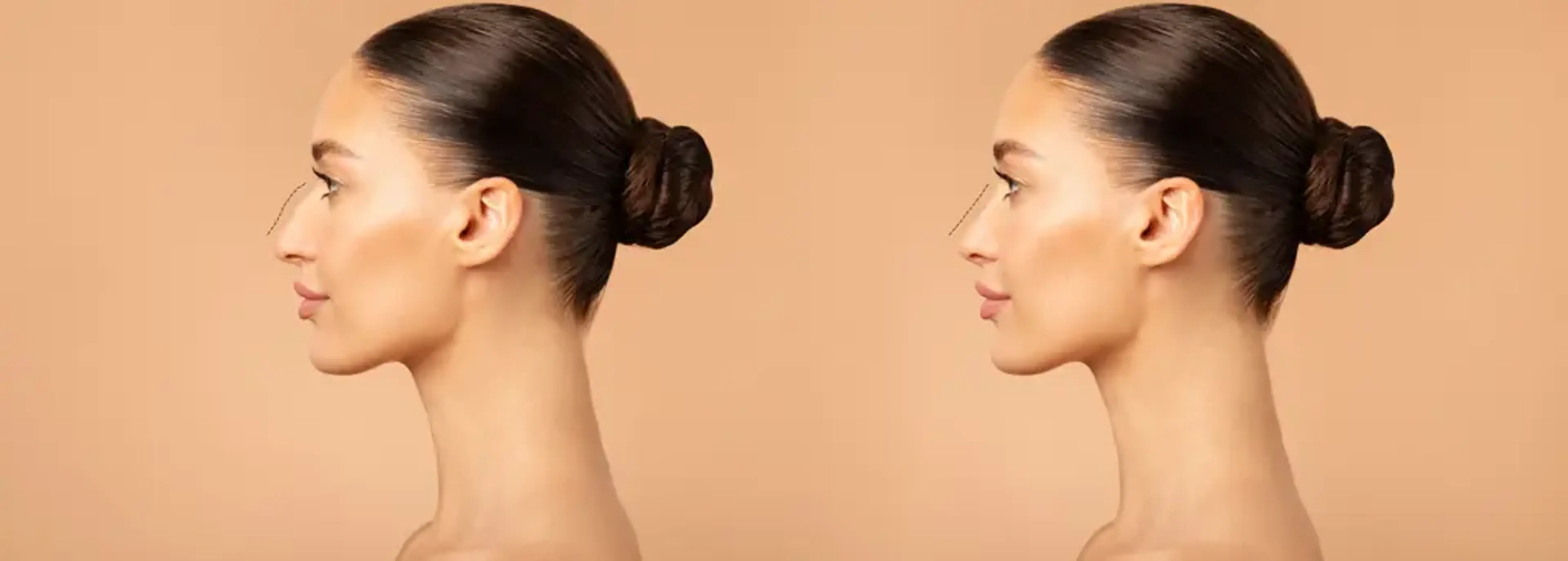
Subtle changes in the appearance of the nose can impact the overall facial balance and may prompt the need for revision rhinoplasty. These adjustments, though minor, can significantly enhance how a person feels about their appearance. Common minor issues addressed by revision rhinoplasty include:
These issues do not necessitate a complete overhaul of the nose but rather a focused approach to perfecting existing features. By using advanced techniques, revision rhinoplasty ensures that the final result looks natural and harmonious with the rest of the face.
Although rhinoplasty produces long-lasting results, some patients experience changes in the months or years following surgery. Understanding why minor adjustments may be necessary can help patients determine whether revision rhinoplasty is right for them:
These changes, while small, can affect a patient's overall satisfaction with their appearance. Personalized consultations with skilled surgeons can determine whether revision surgery is needed.
If you’re considering revision rhinoplasty, it's important to assess whether the minor imperfections warrant surgery. Here are several factors to help guide your decision:
A comprehensive consultation with a skilled surgeon will help determine the best approach and ensure that your goals align with what’s achievable through revision rhinoplasty.
Revision rhinoplasty offers several benefits, particularly when it comes to enhancing the results of a primary rhinoplasty without making dramatic changes. Some of the advantages include:
A skilled surgeon will ensure that any adjustments are made with precision, achieving the best possible outcome with minimal risk.
Although revision rhinoplasty is generally safe, it’s a more complex procedure than primary rhinoplasty. Key safety considerations include:
At an experienced practice, such as Kowon Plastic Surgery, patient safety is a top priority, and all procedures are conducted in a sterile, controlled environment.
Revision rhinoplasty demands a high level of skill and experience due to the complexities involved. The surgeon must work with altered anatomy, including scar tissue and changes to the nasal structure, and use advanced techniques to achieve the desired outcome. Surgeons like Dr. Kim Hyung Taek are experts in navigating these challenges and delivering natural-looking, functional results.
It’s crucial to choose a surgeon who has experience in both primary and revision rhinoplasty. Look for a board-certified surgeon who specializes in nasal surgery and has a proven track record of successful revision surgeries.
The revision rhinoplasty procedure typically follows similar steps to primary rhinoplasty but requires more precision. Here’s what to expect:
Recovery from revision rhinoplasty is generally similar to that of primary rhinoplasty but can be faster for minor adjustments:
Revision rhinoplasty for minor adjustments can significantly improve your nasal appearance, restoring balance to your facial features. If you’re considering revision surgery, be sure to consult with a skilled surgeon who can provide expert advice and deliver results that align with your aesthetic goals. A personalized, careful approach ensures that the procedure is effective and that you’re left with a nose that enhances both your appearance and confidence.